You know you want a glamping trip, but then the listing page hits you with three options: a yurt, a safari tent and a geodesic dome. They all promise beds, charm and a touch of the outdoors, yet the photos rarely explain how differently these structures actually live. That’s exactly the problem this yurt vs safari tent vs dome guide solves, so you can stop second-guessing and book with confidence.
Over the next sections, we’ll break down the core differences at a glance, then walk through what it feels like to sleep inside each one: the round rooms and wood stoves of a yurt, the hotel-style space and decks of a safari tent, and the stargazing skylights of a dome. We’ll also match each structure to the right season and destination, compare prices and what you get for the money, and finish with a simple bottom line for picking your glamping structure. By the end, the choice should feel obvious.
Yurt vs Safari Tent vs Dome: The Core Differences at a Glance
At first glance, all three structures promise canvas walls and a night under the stars, but the way they’re built sets them apart. A yurt is a circular structure based on Central Asian designs: tensioned canvas stretched over a lattice wall framework, topped by a central dome skylight. That engineering isn’t just for looks. Yurts are designed with insulation in mind, and many are built to stay comfortable year-round, even below freezing when a wood stove is running.
Safari tents take a different approach. They’re large rectangular canvas tents stretched over fixed wooden or steel frames, and they lean hard into comfort. Expect full furniture, a private deck or veranda, and sometimes an en-suite bathroom. Think of them as a hotel room wrapped in canvas rather than a tent with a bed inside.
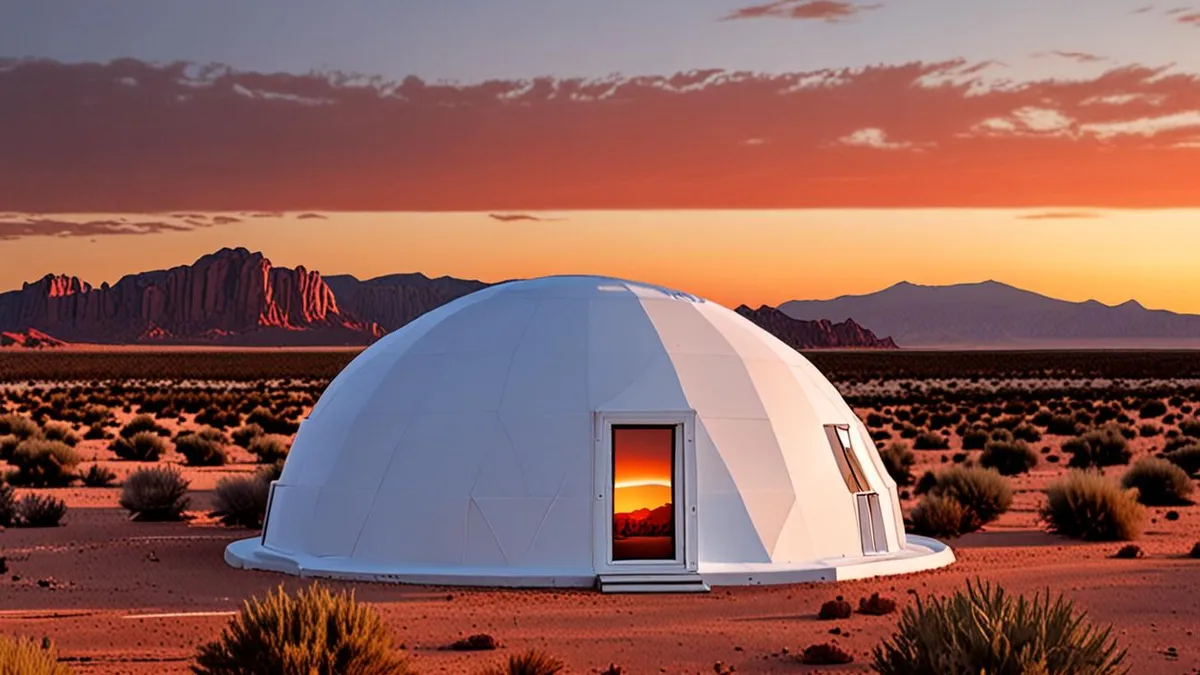
Geodesic domes are the newest of the three. Curved panels form a rounded shell, often with transparent sections or panoramic windows, so the design favors views and natural light over raw floor space. The shape is also inherently strong, which is why domes often appear on exposed ridges and coastlines.
The quick comparison
If you only remember one thing, remember this: safari tents win on space, yurts win on weather resilience, and domes win on views and stargazing. Each structure is genuinely best at something, so the right choice depends on which of those matters most for your trip.
- Yurts: circular, insulated, cold-weather ready
- Safari tents: rectangular, spacious, hotel-style comfort on a deck
- Domes: curved, light-filled, built for panoramas and night skies
Living Inside a Yurt: Warmth, Round Rooms and Wood Stoves
Step through the door of a yurt and the first thing you notice is the shape. There are no corners, so the space feels open and surprisingly social, with beds arranged around the curved walls and a lattice-and-canvas ceiling rising to a circular skylight at the very top. That central skylight does double duty: it pulls in natural light during the day and lets heat from the stove circulate evenly, so you don’t get one toasty corner and one cold one the way you sometimes do in a rectangular cabin.
Warmth is the yurt’s real party trick. The combination of lattice walls, insulated canvas and a tensioned roof holds heat remarkably well, and many yurt rentals include a wood stove as standard equipment. On a cold mountain night, lighting the stove, stacking a little firewood and listening to the wind outside while you stay warm inside is a big part of the appeal. Because of this insulation, yurts often stay comfortable even below freezing, which makes them one of the few glamping options you can genuinely enjoy in winter.
Who a yurt suits best
Yurts are a natural fit for travelers heading into mountain or high-desert regions, where nights turn cold even in warmer months and weather can shift quickly. If you want something rustic but reliably warm, a yurt delivers that in a way canvas tents and domes can’t quite match. Typical yurts sleep 2-6 guests, which also makes them a solid pick for small groups who want to share one memorable space rather than book separate units.
There are trade-offs. The round, open layout means less privacy between beds, so light sleepers sharing a yurt with friends or extended family may want earplugs. And while the central skylight is lovely, you get far fewer panoramic windows than a dome offers; the focus here is coziness, not views from bed. If atmosphere and warmth matter more to you than scenery, that trade is an easy one to make.
Living Inside a Safari Tent: Space, Decks and Hotel-Style Comfort
If space is your top priority, the safari tent is hard to beat. These are the largest of the three structures, often offering 200-400 square feet of floor area. That room is usually laid out like a small hotel suite: real beds with proper mattresses, dressers or wardrobes, reading chairs, and in many upscale setups, an en-suite bathroom with a flushing toilet and hot shower. You get the canvas-and-nature atmosphere without giving up much everyday comfort.
Most safari tents also come with a private deck or veranda, often furnished with lounge chairs, a dining table, or a fire pit. This outdoor space is a big part of the appeal. It gives you somewhere to drink your morning coffee, play cards with the kids, or watch the sunset without sitting on the floor. For families with children, that extra square footage and the separation between sleeping and living areas make daily routines far easier than in a single round room.
What canvas walls mean for your sleep
The trade-off is sound. Canvas is thin, so you will hear rain drumming overhead, wind moving through nearby trees, and wildlife outside at night. Many guests find this charming and part of the experience. If you are a light sleeper, though, pack earplugs or check whether the tent has insulated inner linings before booking.
Timing matters, too. Safari tents perform best in warm, dry weather, roughly May through October in most US regions. In heavy rain or cold snaps, canvas can feel damp or chilly, and there is usually no wood stove to compensate. If your trip falls outside that window, a yurt or dome will likely serve you better.
Living Inside a Geodesic Dome: Views, Skylights and Stargazing
Step into a geodesic dome and the first thing you notice is the light. Curved transparent panels wrap around the structure, giving you roughly 180-degree views of the landscape without ever leaving your bed. At night, the same panels turn into a window on the stars, so you can watch the sky drift by from under the covers.
The dome shape is not just for looks. A compact, curved shell sheds wind better than a flat-walled tent, which is why domes perform well in exposed spots like coastal bluffs and ridge-top sites where other structures can creak and shudder. The low profile also means less canvas flapping in a gusty night.
Who a dome suits best
Domes are a natural pick for couples who want a romantic, design-forward stay. The curved interiors feel modern and intimate, and the panoramic glazing makes even a rainy afternoon entertaining. Because the windows and moderate insulation balance each other out, shoulder seasons like April-May and September-October are often the sweet spot: cool enough to justify the cozy interior, clear enough for stargazing.
The trade-offs to know before booking
Domes give up floor space for those views. With roughly 150-300 square feet, you get less room than a safari tent, and the curved walls limit where furniture can sit, so layouts can feel tight. Most domes also sleep just two to three guests, which makes them a poor fit for families. If you want space to spread out, look elsewhere; if you want the view, nothing else comes close.
Which Structure Matches Your Season and Destination
The fastest way to narrow down your glamping choice is to start with the weather, not the furniture. Each structure has a season where it genuinely shines, and picking the wrong one is the most common way a glamping trip disappoints. A safari tent in a cold snap feels damp and chilly, while a basic dome without heating can be uncomfortable in deep winter.
Cold-weather trips to mountain regions, whether in late fall or winter, call for a yurt with a wood stove. The insulated lattice-and-canvas walls hold heat well, and a stove keeps the round space comfortable even when temperatures drop below freezing outside. Warm, dry months from May through October are safari tent territory, where big decks and airy canvas work beautifully in grasslands, forests and lakeside settings. Domes hit their stride in the milder months of spring and fall, when panoramic windows and moderate insulation handle cool-but-not-cold nights without a struggle.
Once you have matched the structure to your region and dates, you can narrow things down by comfort level. If you want a deeper dive on timing, this guide to the best seasons for glamping in US national park regions breaks down what to expect month by month.
- High-desert destinations: temperature swings between afternoon and night are common, so prioritize a structure with real heating rather than relying on blankets.
- Exposed coastal sites: wind matters more than temperature here, which is why the low, aerodynamic dome shape tends to sleep more quietly than a tall canvas tent.
- Lakeside and forest settings: humidity can leave canvas feeling damp in the morning, so check whether the listing mentions a wood deck, ventilation or a heater to dry things out.
- Snow-country locations: confirm the site stays accessible in winter and that someone maintains the trails and stove supply before you commit to a cold-season yurt trip.
Price, Booking and What You Get for the Money
Glamping rates vary widely, but typical nightly prices give you a useful starting point. Yurts generally run about $120-$300 per night, safari tents about $150-$400, and domes about $180-$450. Those ranges overlap, which tells you something important: the structure alone does not set the price. Location and amenities often matter more.
Why some structures cost more
Safari tents sit at the higher end for a reason. They offer the largest floor area of the three, often 200-400 square feet, filled with real furniture and sometimes a private en-suite bathroom. Domes command their own premium for the panoramic windows and stargazing views, even though they usually sleep just two to three guests. Yurts tend to be the value pick, especially in mountain regions where they are the workhorse of winter lodging.
Timing your booking
Peak-season stays in popular US regions often require booking two to four months ahead, particularly for summer weekends near national parks or on the coast. If your dates are flexible, midweek nights can cut rates noticeably, and you will share the site with fewer neighbors. For a fuller breakdown of what drives pricing up and down, see this guide to how much glamping costs and what drives the price.
Before you book, check exactly what is included in the rate. Heating, a private bathroom, a kitchenette and provided meals explain most of the price gaps you will see between otherwise similar listings. A $250 yurt with a wood stove, private bath and breakfast can be a better deal than a $180 dome where you walk to a shared washhouse. Compare the amenity list side by side, not just the nightly number, and you will rarely overpay.
The Bottom Line: Picking Your Glamping Structure
Choosing between a yurt, a safari tent and a dome gets much easier once you match the structure to your season. Yurts are the pick for cold-weather travelers who want warmth and a cozy round space, often with a wood stove. Safari tents suit families and comfort seekers traveling in warm, dry months, thanks to the biggest floor area and hotel-style furniture. Domes are made for couples who care most about panoramic views and stargazing in the shoulder seasons.
Once the season narrows your choice, compare what each listing includes—heat, private bathroom, kitchenette or meals—alongside the nightly rate, since those details explain most of the price differences. Book early for peak dates in popular regions, and you will end up with a stay that fits both your trip and your budget. If this helped you decide, leave a comment or share the article with a fellow traveler.