Planning a safari lodge Kenya trip for the first time can feel overwhelming. Dozens of parks, three or four lodge styles and price tiers that stretch from modest camps to ultra-luxury retreats all compete for your booking. One wrong pick, whether it’s the wrong park, the wrong season or a rate that doesn’t include what you assumed it did, can turn a dream trip into a costly disappointment.
The good news is that choosing well comes down to a handful of clear decisions. This guide walks you through picking the right park before you commit to any lodge, timing your trip to match your budget, matching the lodge style to your comfort level, setting a realistic per-night budget, booking at the right moment, and weighing conservancies against the main reserve. By the end, you’ll know exactly which questions to ask before paying a deposit.
Pick Your Park Before You Pick a Safari Lodge in Kenya
Your choice of park shapes everything else: the wildlife you’ll see, how far you’ll travel and which lodges are even on the table. For most first-timers, that choice comes down to two standout options.
The Masai Mara for classic big-game viewing
The Masai Mara suits first-timers who want big cats and wide-open plains. Lion, leopard and cheetah sightings are realistic goals here, and the Great Migration peaks from July to October, when enormous herds move through the reserve. If you’ve pictured a safari from movies and documentaries, the Mara is probably that picture.
Amboseli for elephants and Kilimanjaro views
Amboseli works well for elephant lovers, with large herds moving across open country against a Kilimanjaro backdrop on clear days. It sits about 240 km from Nairobi, making it a manageable first stop on a Kenyan itinerary.
Whichever park you lean toward, combine no more than two on a first trip. Hopping between three or more eats up travel days you could spend on game drives. It’s also worth thinking about how you’ll get there: road transfers from Nairobi take 5-6 hours to the Mara, while an internal flight takes about 45 minutes. For short trips, flying often buys you an extra game drive or two.
Choose the Right Season for Your Budget
When you travel matters nearly as much as where you stay. Kenya’s dry seasons, June to October and January to February, deliver the easiest wildlife spotting: animals gather at water sources, grass is shorter and game drives rarely get washed out. These months also carry the highest rates, so your season choice is really a budget choice. If seeing the Great Migration is your priority, aim for the July to October window in the Masai Mara, and expect to pay peak prices for the privilege.
If your dates are flexible, the wet months can stretch your money considerably. March to May and November bring green-season rates, often $150-400 per night instead of $300-800+. You’ll trade some convenience for those savings, but many travelers find the trade-off worthwhile:
- Afternoon rain showers are the norm, typically building through the day, so mornings often stay productive for game drives.
- Taller grass can make animals harder to spot, which rewards patience and a good guide more than speed.
- Fewer vehicles at sightings mean you might watch a leopard for twenty minutes without a convoy forming around you.
- Lush, green landscapes photograph beautifully and bring migratory birds, a bonus if you care about anything with feathers.
Shoulder months offer a middle path. Late June or early December balance decent weather with lower prices, sitting just outside the peak windows yet close enough to enjoy good game viewing. If your budget sits between the two extremes, these months deserve a serious look. One practical tip: whatever season you choose, pack layers for early mornings, when open vehicles get genuinely chilly before the sun climbs.
Match Lodge Style to Your Comfort Level
Not every safari bed is created equal, and the style you pick shapes how you sleep as much as what you see. The main options sit on a spectrum from solid comfort to back-to-nature simplicity.
Permanent lodges and luxury camps
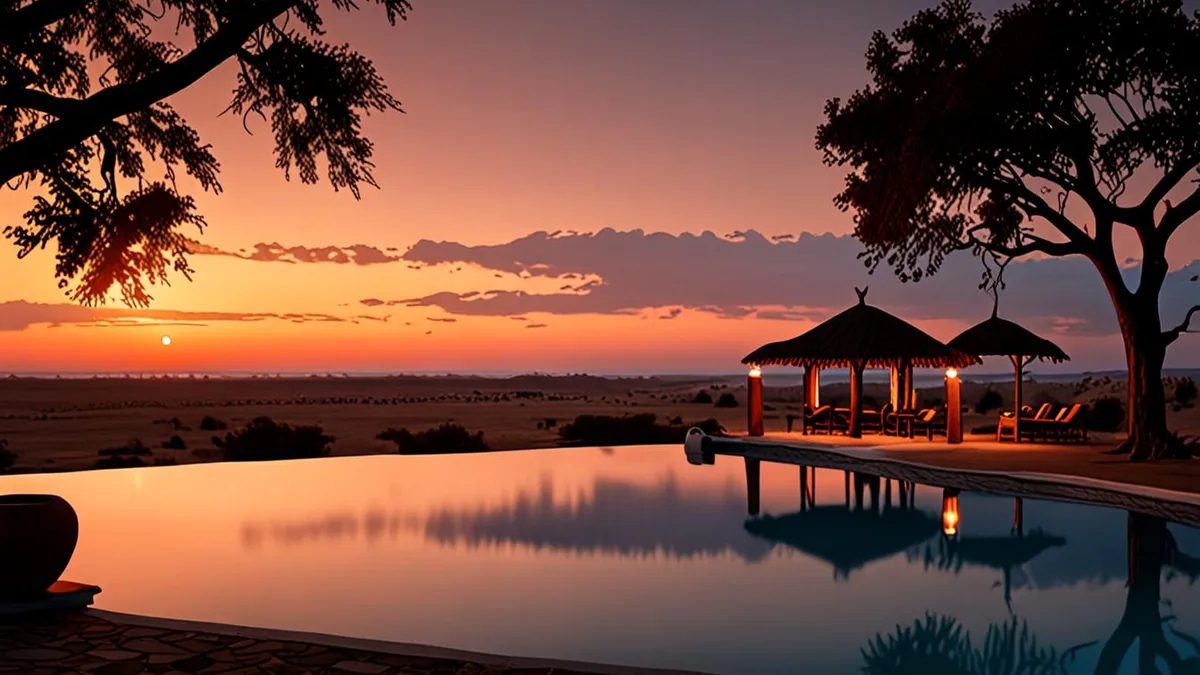
Permanent lodges offer solid walls, swimming pools and reliable power, making them the easiest option for nervous first-timers. You get the feeling of a proper hotel in the middle of the bush, with fewer unknowns at bedtime. Luxury tented camps sit a step closer to the wild: canvas walls paired with en-suite bathrooms, often with game drives and meals folded into the rate. Many travelers find this style hits the sweet spot between atmosphere and comfort.
Basic camps and what the rate really includes
Mobile or basic camps cost less but come with shared bathrooms and the honest sounds of wildlife at night. That’s thrilling for some travelers and sleepless for others, so know yourself before booking. Hearing a hyena whoop from your pillow is part of the experience, but only if you want it to be.
Whatever style appeals to you, check whether rates are all-inclusive or full board before comparing prices. Drinks and park fees can add up fast on top of a seemingly affordable nightly rate. A lodge that looks expensive but includes everything sometimes beats a cheaper one that bills every soda and conservation fee separately.
Set a Realistic Per-Night Budget
Most first-time visitors underestimate what a safari lodge actually costs. In peak season, mid-range to top-end lodges in Kenya typically run $300-800+ per person per night, and those rates are usually all-inclusive, covering meals, game drives and often drinks. That sounds steep until you realize a single day otherwise involves three meals, two guided drives and park access.
The good news is that the same lodges drop to roughly $150-400 per night during the green season, when the long and short rains turn the landscapes lush. If your dates are flexible, traveling in the wetter months can make a lodge that was out of reach suddenly affordable, often at half the price.
Before you compare sticker prices, build a realistic total. A lodge that looks cheaper per night can end up costing more once you add everything the “all-inclusive” rate would have covered. Work through the extras below before you commit.
- Flights or road transfers from Nairobi: the Masai Mara sits roughly 270 km away, so factor in either a 45-minute internal flight (often several hundred dollars round trip) or a 5-6 hour road transfer, and check whether your lodge includes pickup.
- Park and conservancy fees: these are charged per person per day and change regularly, so ask the lodge for the current rate and confirm whether it is billed separately or included.
- Tips for guides and camp staff: most camps have a suggestion box or staff fund, and travelers typically budget a modest daily amount per person; ask your operator what is customary.
- Optional extras: hot air balloon rides, spa treatments, private vehicles and premium drinks are rarely included and can add a meaningful amount to your final bill.
Once you know the true per-night cost, comparing lodges becomes far easier, and you will not be surprised by the final invoice at checkout.
Book at the Right Time
Timing matters more with safari lodges than with most hotel bookings. The best camps in the Masai Mara are small, often with fewer than 20 tents, so they sell out quickly. For peak-season travel, especially the Great Migration window from July to October, aim to reserve your lodge six to twelve months ahead. Waiting until spring to book for August almost always means settling for whatever is left, usually at a higher price.
When green-season travel gives you flexibility
If you are traveling during the long rains from March to May or the short rains in November, you can breathe easier. Green-season travelers can often book two to three months out and still find good availability, sometimes at rates of $150-400 per night. That said, popular conservancy camps can still fill up, so booking earlier never hurts if your dates are fixed.
Questions to ask before you pay a deposit
Before committing, ask the lodge or your operator a few direct questions. Solo travelers should check whether a single supplement applies, as it can add a meaningful amount to the per-night rate. Families should confirm child policies, including age minimums and whether children pay reduced rates or share with parents. Some camps also enforce minimum-stay rules of two or three nights during busy periods, so clarify this upfront.
Finally, get the cancellation terms in writing before you pay anything. Safari deposits are usually non-refundable within roughly 30 to 60 days of arrival, and some operators are stricter. Ask exactly what portion is refundable and at what cutoff dates, and consider travel insurance that covers cancellation for extra peace of mind.
Weigh Conservancies Against the Main Reserve
One of the biggest decisions for a first-time Kenya safari is whether to stay inside the Masai Mara National Reserve itself or book a camp in one of the private conservancies bordering it. Conservancies sit on community-owned land where operators agree to strict limits on how many vehicles may be present at any sighting. In practice, that means you might watch a leopard in a tree with two or three other vehicles instead of a dozen.
Conservancy stays also come with activities the main reserve does not permit. Night drives let you spot hyenas, bushbabies and predators on the move after dark, and guided walking safaris give you a completely different perspective on the bush. Many conservancy camps also offer off-road driving and visits to Maasai communities, which are generally restricted inside the reserve.
The trade-off is price. Conservancy camps typically cost $100-300 more per night than comparable lodges in the main reserve, and that premium applies on top of your base rate. Before you rule it out, consider what matters most to you:
- Exclusive sightings: Vehicle caps mean your driver can position carefully and you can linger at a kill site or a lion pride without pressure to move on.
- Cheaper park logistics: Conservancy fees are usually bundled into your rate, so you pay one nightly price instead of separate daily reserve entry charges.
- Access to the reserve: Most conservancy camps can still drive you into the main Mara for a full-day outing, often including river crossing points during the Migration.
If you are on a shorter trip or watching your budget, a reserve-based lodge is a sensible choice. You get classic access to the Great Migration and the Mara’s famous big-cat country at a lower nightly cost, and with less travel time between camp and the main wildlife areas. You simply need to accept more vehicles at popular sightings, especially in peak months.
Your First Kenyan Safari, Simplified
Choosing a safari lodge in Kenya does not have to feel overwhelming. Start by narrowing your trip to one or two parks that match your wildlife priorities, then pick a season and lodge style that fit your budget. If you want to travel during the dry months, book 6-12 months ahead, especially for the Migration window in the Masai Mara.
The biggest decision left is often where to sleep: a lodge in the main reserve keeps costs lower and puts you close to classic game viewing, while a conservancy camp costs more per night but rewards you with quieter drives and extra activities. Weigh your appetite for crowds against your budget, confirm the fine print before paying a deposit, and your first safari should be a dream rather than a disappointment. If this guide helped, leave a comment or share it with a fellow traveler.