You know you want a mountain getaway, but you can’t tell whether a lodge or a cabin will actually fit your group, budget and travel style. It’s a common dilemma. Both promise fresh air and big views, yet they deliver very different experiences — one wraps you in service and company, the other hands you the keys and leaves you in peace.
This lodge vs cabin guide breaks the decision down piece by piece. We’ll compare the core differences, the atmosphere each stay type creates, what you can expect to pay and when rates drop, how far each one usually sits from trails and town, and the booking lead times that matter by season. We’ll finish with a simple way to choose between them for your specific trip. By the end, you’ll know exactly which stay type matches your group size, your budget and how social — or quiet — you want your mountain nights to be.
Lodge vs Cabin: The Core Differences at a Glance
The simplest way to think about the lodge vs cabin question is scale and service. A lodge is a larger property — often a hotel-style building or a resort-style complex — with staff on site, a dining room or restaurant, and shared common areas like lounges, fireplaces and sometimes pools or spas. You book a room, not the whole place, and someone else handles the cooking, cleaning and logistics. Larger lodges can host groups of 10 or more, or offer individual rooms for smaller parties.
A cabin is the opposite approach. It’s a standalone private rental, usually self-catering, meaning you cook your own meals and manage your own stay. Most cabins sleep somewhere between 2 and 6 guests, which makes them a natural fit for couples and small families rather than big groups.
Which one matches your travel style?
If you want services on site — breakfast before a hike, a bar for après-ski, staff who can answer questions — a lodge delivers all of that without you lifting a finger. If you’d rather have privacy, room to spread out and a place that feels like your own for a week, a cabin wins. Neither is better; they simply suit different trips, and the rest of this guide will help you see which one yours is.
Atmosphere and Who Each Stay Type Suits
Atmosphere is where the lodge vs cabin choice really becomes personal. Lodges are built around shared space: a big stone fireplace in the lobby, a dining room where breakfast runs on a schedule, and a lounge full of other guests. That mix creates a social base camp. It’s easy to swap trail tips with a couple heading up the same route, or to join an impromptu dinner group after a day on the slopes. Solo travelers often find this built-in company is the best part of a lodge stay — you’re never stuck eating alone unless you want to.
The case for cabin seclusion
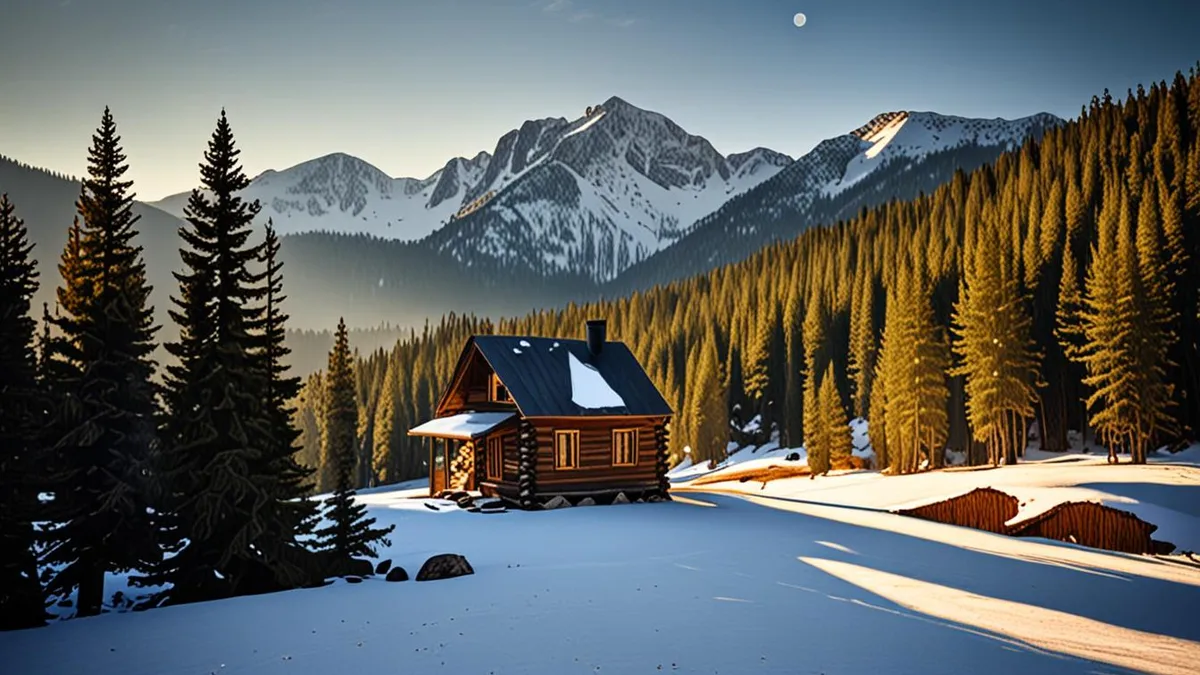
Cabins deliver the opposite mood. Mornings are quiet, coffee happens in your own kitchen, and there are no shared walls, no lobby noise and no one else’s schedule. For many people, that seclusion is the entire point of going to the mountains. You can play music late, cook a long dinner and wake up to trees instead of hallways.
So who suits which? Couples and small families tend to prefer cabins, where the privacy and extra space make the trip feel like a real retreat. Groups and solo travelers often lean toward lodges, where the social setting and on-site amenities do more of the work. If you’re traveling with kids, a cabin’s kitchen and separate bedrooms can also make daily routines far easier than a single lodge room.
Price Ranges and When Rates Drop
Price is often the deciding factor in the lodge vs cabin debate, and the good news is that the two stay types overlap more than you might expect. In most mountain regions, lodges typically run $150–$400 per night, while cabins typically run $120–$350 per night. That means a cabin isn’t automatically the budget option — location, size and season matter more than the building type itself.
Timing, however, can change the math dramatically. Shoulder months — May and September through October — can cut rates by 20–40% compared with peak season, when summer crowds and ski traffic push prices to their ceiling. If your dates are flexible, shifting a trip by a few weeks is often the single biggest saving available.
Where cabins quietly win on value
- Group math favors cabins. Splitting a $250 cabin among four people works out to roughly $62 per person per night — far less than booking four separate lodge rooms at typical nightly rates.
- Kitchens cut food costs. A self-catering cabin lets you cook breakfast and dinner, so you’re only paying restaurant prices for the meals you actually want to eat out.
- Shoulder-season cabins compound the savings. Combining a cabin’s lower base rate with a 20–40% shoulder-season discount can bring a weeklong mountain trip within reach of travelers who assumed peak pricing was the norm.
One caveat: always compare the total cost, including cleaning fees and any minimum-stay requirements that some cabin rentals add. Check current rates before booking, since they vary widely by region and date.
Location and Access to Trails and Town
One of the biggest practical differences between these two stay types is where they sit on the map. Cabins are often built well outside town, and a drive of 15–45 minutes to reach restaurants, groceries or a trailhead parking lot is common. You trade convenience for scenery: forested views, quiet evenings and stargazing that no town-center property can match.
Lodges, on the other hand, frequently cluster near resort hubs. That puts you within walking or shuttle distance of restaurants, ski lifts, rental shops and other travelers, which makes logistics simpler if you would rather not drive every day.
Map Your Daily Routes First
Before booking either type, pull up a map and check the actual driving distance to the trailheads or lifts on your itinerary. A cabin that looks affordable can quietly add an hour of daily driving, while a lodge near a hub can save you both time and fuel. If your plan involves daily trips to trailheads or ski lifts, that math matters more than a few dollars of nightly rate difference.
Season and Booking Lead Times
Timing shapes both your rate and your options. Peak mountain season runs June through August, and ski season typically runs December through March. During these windows, availability tightens fast, so booking 3–6 months ahead is the norm for the most desirable lodges and cabins. Waiting until a few weeks out usually means settling for leftover dates, awkward midweek arrivals or properties far from where you actually wanted to be.
In shoulder season, the pressure drops considerably. A lead time of 4–8 weeks is usually enough to secure a good stay in either category, and you will often find owners and managers more flexible on dates and minimum stays. Some will even adjust check-in or check-out days to fit your travel plans, which rarely happens at the height of summer. If your schedule allows it, aiming for the quieter months is the easiest way to stretch a mountain budget, whether you are comparing lodge rates or browsing where to sleep beneath Alberta’s mountain peaks.
Winter adds one more layer for cabin travelers specifically. Remote properties can be hard to reach once snow arrives, so a little extra homework goes a long way. Before you confirm a cold-season cabin booking, put these questions to the host:
- Ask whether the access road is plowed all winter or only after major storms, since some remote cabins become unreachable until spring.
- Confirm the heating setup, such as a wood stove or propane furnace, and whether someone shows you how to operate it at check-in.
- Check whether the host recommends or requires a four-wheel-drive or all-wheel-drive vehicle for the final stretch of road.
- Find out how far the nearest plowed parking or supply run is, so a grocery trip does not turn into an expedition.
How to Choose Between a Lodge and a Cabin
Once you understand the trade-offs, the decision usually comes down to how you like to travel day to day. Two people can look at the same two properties and reasonably pick opposites, because the right choice depends on your group, your season and your tolerance for driving. Rather than weighing every factor at once, it helps to work through the decision in a fixed order. Start with the services you actually want inside your stay, then move outward to privacy, group size, timing and access. The questions below are sequenced so that each answer narrows the field, and by the time you reach the last one, one option usually has a clear edge.
- Decide how much service you want. If you would rather have meals prepared, staff on hand and a dining room or fireplace lounge to relax in, a lodge fits that trip naturally.
- Be honest about privacy. If shared walls, other guests at breakfast and a front desk feel like compromises, a cabin gives you your own kitchen, your own porch and nobody else’s noise.
- Count your group. A cabin that sleeps 2–6 guests lets a family or small group share one space and one rate, while a lodge handles solo travelers and larger parties with individual rooms.
- Match the choice to the season. Remote cabins shine in summer when roads are clear and days are long, while lodges simplify winter trips with plowed access, on-site dining and proximity to lifts.
- Check the drive before you commit. Map the distance to the trails, lifts or town you will visit daily, because a scenic location can add real driving time each morning.
Work through those steps in order and one option usually pulls clearly ahead. If you stall on a step, that hesitation is useful information too: travelers who cannot quickly pick between service and privacy often do better with a lodge, since it covers both bases without much planning. It also pays to revisit your answers once you have real properties in front of you, because a specific cabin’s road access or a specific lodge’s distance from the lifts can override the general pattern. Most travelers find the final answer has less to do with the property itself and more to do with how much driving, cooking and socializing they want built into the trip. Answer that honestly, and the rest of the booking falls into place quickly.
Wrapping Up Your Mountain Stay Decision
So which one fits your trip? If you want meals handled, staff on call and other guests to swap stories with, a lodge is the simpler choice. If you’d rather have your own kitchen, no shared walls and a quiet porch to yourself, a cabin wins. Lodges offer service and sociability; cabins offer privacy and space — neither is better, they just suit different travelers.
When you’re still torn, let three factors settle it: price, season and distance to town. A cabin 15–45 minutes out shines on a summer trip, while a lodge near a resort hub simplifies a winter one. And whichever stay type you pick, booking around shoulder season stretches your budget furthest. If this helped you decide, leave a comment or share the article with your travel crew.