Booking an all-inclusive lodge stay in Alaska sounds simple until you start comparing packages. Some include flights from Anchorage, guided fishing, and every meal, while others quietly leave out alcohol, gratuities, or even certain excursions. It’s easy to assume “all-inclusive” means one thing, only to find that each lodge defines it differently, and that’s where surprise charges on the final bill come from.
This guide walks you through what these packages actually cover, how much they typically cost, and how to choose the right season for your trip. We’ll also cover the booking process for remote lodges, many of which are accessible only by floatplane or small bush plane, plus what activities and wildlife you can realistically expect. Finally, you’ll find practical packing advice so you arrive prepared. By the end, you’ll know exactly what you’re paying for before you ever put down a deposit.
What an All-Inclusive Lodge Stay in Alaska Actually Covers
At most Alaska lodges, the core of the package is straightforward: three meals a day, snacks, and non-alcoholic drinks like coffee, tea and soda are almost always included in your nightly rate. Alcohol varies widely. Some lodges pour beer and wine with dinner at no charge, while others run a tab or ask you to bring your own, so it’s one of the first questions to ask.
Guided activities in the rate
The bigger value usually comes from activities. Guided fishing, kayaking, hiking and wildlife excursions are typically bundled into what you pay per night, often with a dedicated guide assigned to your group. That said, some lodges treat specialty outings, like a helicopter glacier landing or a full-day offshore charter, as add-ons with separate pricing. Get the activity list in writing before you book so you know exactly what’s covered.
Transfers and gratuities
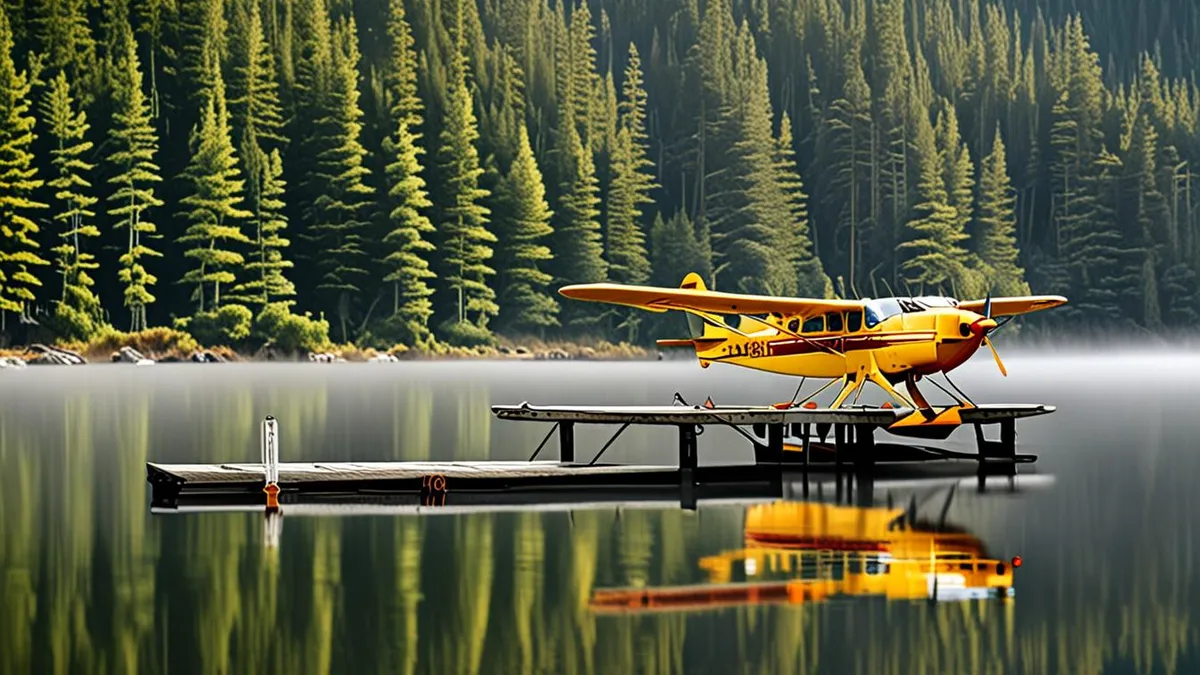
Getting to a remote lodge is part of the experience. Many properties are reachable only by floatplane or small bush plane, and the lodge will usually arrange that transfer from the nearest hub town for you. Confirm whether the flight is included in your rate or billed separately, because it can be a meaningful line item. Gratuities for guides and staff are commonly excluded as well, so most travelers budget a separate amount for tipping at the end of their stay. A quick email to the lodge covering these points will give you a true total cost.
Choosing the Right Season for Your Alaska Lodge Trip
Alaska’s lodge season is short and intense. Most properties operate from roughly June through mid-September, and within that window conditions change fast. July offers the warmest weather and the longest days, with daylight stretching late into the evening and prime conditions for nearly every activity a lodge offers.
For anglers, timing revolves around the salmon runs, which typically peak from June through August depending on the species and the river system. If fishing is your main goal, match your dates to the run you want to target and ask the lodge what’s moving during that week.
Late August into September brings a different kind of trip. Crowds thin out, tundra turns brilliant shades of red and gold, and it becomes possible to catch the northern lights on clear nights. Rates may soften too, though the weather gets less predictable.
- July travelers: pack a sleep mask, since late sunsets can make it surprisingly hard to sleep in cabins with big windows.
- Anglers: ask which salmon species peak during your exact week, as different runs stack up through the summer.
- September visitors: bring a warmer midlayer and a hat, since evenings turn crisp even when days stay mild.
- Shoulder-season bookers: confirm which activities are still running, as some lodges scale back offerings at the edges of the season.
Shoulder-season weeks at either end of the season can mean lower rates, but they also come with a higher chance of rain and wind. If your schedule is flexible, weigh the savings against the odds of weather-delayed flights and skipped excursions.
What All-Inclusive Alaska Lodge Packages Typically Cost
All-inclusive Alaska lodge packages commonly range from about $800 to $1,500+ per person per night, and where a lodge falls in that range depends mostly on how remote it is and how much activity is built in. It’s a significant investment, so understanding what drives the price helps you compare options fairly.
Why fly-in lodges cost more
Lodges at the top of the range are usually fly-in operations that require a small aircraft to reach, with private guides and their own planes on site. You’re paying for exclusivity, short waits for boats and planes, and guides who often stay with your group all week. The remoteness that raises the price is also what delivers the uncrowded fishing and wildlife encounters people come for.
Where the lower end lands
Road-accessible lodges with shared excursions tend to fall on the lower end of the range. You’ll typically join group outings rather than hiring a dedicated guide, and you handle your own transport to the property, but the included meals and daily activities still deliver strong value.
Before you book, ask specifically what’s excluded. Fishing licenses, gear rentals and specialty charters like offshore halibut trips or flightseeing are added on at many lodges, sometimes at prices that meaningfully change your total. A lodge that looks like a bargain may cost more than a pricier competitor once the add-ons are tallied, so request a full sample bill for a typical week.
How and When to Book a Remote Alaska Lodge
Booking a remote Alaska lodge is less like reserving a hotel room and more like planning a small expedition. The best lodges are small on purpose, often hosting just a handful of guests at a time, which means their peak summer calendars fill up fast. A little lead time and a few key questions will save you a lot of stress later. Before you start, decide whether fishing is your priority or whether you want a more mixed schedule, since that shapes which lodges fit your dates and budget.
- Start 9 to 12 months ahead. For peak summer weeks, the most sought-after lodges often sell out nearly a year in advance. If you have specific dates in mind, contact lodges as soon as you know your travel window. A short email asking about availability for your dates is the fastest first step.
- Plan on a 4 to 7 night stay. Getting to a remote lodge can take the better part of a day, sometimes more with weather delays. Shorter trips end up feeling rushed, and most lodges build their packages around stays in that range anyway.
- Confirm transfer logistics before you buy flights. Many remote lodges are reached by floatplane or small bush plane from hubs like Anchorage, Juneau or Kodiak. Ask exactly where and when you will be picked up, then book commercial flights with generous buffers so a delay doesn’t strand you overnight in a hub town.
- Ask about deposit and cancellation terms. Remote lodges often have stricter policies than hotels, with larger deposits and narrower refund windows. Get the terms in writing before you commit, and consider travel insurance that covers weather-related disruptions.
One extra tip: when you email a lodge, ask what happens if weather grounds the planes on your arrival or departure day. Lodges that answer clearly, quickly and calmly are usually the ones that run the smoothest operations overall. Pay attention to how they handle your questions about pickups, delays and refunds, because their responsiveness before you book is often a good preview of how the whole stay will go. Once you have written answers to those three questions, you can book your commercial flights with real confidence.
Activities and Wildlife You Can Expect During Your Stay
Most guests arrive at an Alaska lodge with one thing on their mind: fish. And for good reason. Guided salmon and halibut fishing is the headline activity at nearly every all-inclusive operation, with boats, gear and experienced guides usually bundled into your rate. Whether you’re fighting a king salmon in a river or pulling halibut from the seafloor, the guides handle the details so you can focus on the fight.
But fishing is only part of the story. The wildlife viewing at these lodges can rival anything in the state, and the non-fishing days are often the ones guests remember longest. Expect outings that commonly target brown bears feeding along salmon streams, whales surfacing in the bays, bald eagles perched on the shoreline and moose moving through the timber.
- Kayaking: Paddling a protected bay or inlet puts you at water level with the coastline, and quiet kayaks often get you closer to seals and sea otters than any boat motor will.
- Hiking: Guided walks range from easy shoreline strolls to steeper ridgeline climbs, and guides know which trails are active bear country and how to travel through them safely.
- Glacier visits: Depending on your lodge’s location, you may reach a glacier by boat, plane or on foot, and seeing blue ice up close is a highlight for many guests.
- Weather-driven scheduling: Daily plans usually revolve around weather windows rather than a fixed itinerary, so a morning fog delay might turn into an afternoon flight to a spot you’d never have seen otherwise.
The best mindset is flexibility. Guides watch conditions constantly and reshuffle plans to make the most of each day. Trust their timing, and you’ll usually end up with a fuller trip than any printed schedule could promise.
Packing and Preparing for a Lodge Stay in Alaska
Packing for an Alaska lodge trip is different from packing for a resort vacation. You won’t find gift shops or drugstores once you leave the hub towns, and you’re dealing with rain, wind, boats and floatplanes, often in the same day. The good news is that you don’t need a huge wardrobe, just the right pieces layered well.
The golden rule is to layer, starting with moisture-wicking base layers, adding an insulating mid-layer like fleece or wool, and finishing with a waterproof outer shell. Rain is likely even in July, and a quality rain jacket and rain pants will do more for your comfort than any single warm item. Gloves and a warm hat deserve space in your bag too, since mornings on the water can feel sharp regardless of the season. Lodges often provide rubber boots and fishing gear, but confirm what’s included before you buy duplicates.
- Polarized sunglasses: These cut the glare off the water so you can actually spot fish, and they double as protection from long summer days of low-angle sun.
- Quick-dry clothing: Synthetic or wool shirts and pants dry overnight in your room, while cotton stays damp for days and gets cold fast in coastal wind.
- Rubber-soled boots: Wet docks, boat decks and rocky stream banks are all slippery, so pack boots with good grip even if the lodge also provides them.
- Soft-sided duffel bags: Floatplanes have strict weight and space limits, and soft duffels squeeze into small compartments where hard suitcases simply won’t fit. Ask your lodge for its weight allowance before packing.
- Medications and essentials: Remote lodges are far from any store, so bring every prescription, plus sunscreen, motion sickness remedies and spare contacts or glasses, in your carry-on.
Finally, pack a small day bag with rain gear, camera and snacks for the flight in. Keep your phone, wallet and travel documents on your person as well. If your checked duffel gets shuffled or delayed on a bush plane, you’ll still be set for your first night.
Wrapping Up Your Alaska Lodge Plans
An all-inclusive lodge stay in Alaska bundles meals, guided activities and remote transfers into one nightly rate, so most of what you’ll actually do on the trip is covered upfront. The main things to confirm before booking are alcohol, gratuities, fishing licenses and any specialty charters, since those are the items most likely to show up as extras on the final bill. Knowing that ahead of time turns a vague quote into a budget you can actually trust.
Timing and planning matter just as much as the rate itself. The core season runs from June into mid-September, with midsummer best for fishing and the weeks toward the end of the season offering a shot at the northern lights. For the per-person nightly cost, the typical range we covered above is a solid starting point for comparing quotes. Most travelers stay several nights rather than a quick weekend, and the most sought-after lodges fill up far in advance, so early planning pays off. If this helped you sort out what’s included and what isn’t, leave a comment or share the article with someone planning their own Alaska trip.