You booked a hotel that looked fantastic online, only to arrive and realize the room type you picked didn’t match what you actually needed. Maybe the bed was too small for two adults, or there was nowhere to set up a laptop, or the kids ended up stacked in a corner bed that barely fit. The hotel was fine — the choice of hotel room type was the problem.
That mismatch is surprisingly common, and it’s usually avoidable. In this guide, we’ll walk through why the right room type often matters more than the hotel itself, break down the most common categories from standard rooms to connecting rooms, and show how to match a room to your trip style. We’ll also cover the small details like bed sizes, floors and views that quietly shape your stay, share tips for booking your preferred category without overpaying, and flag the warning signs to check before you confirm. By the end, you’ll know exactly which room type fits your next trip.
Why the Right Hotel Room Type Matters More Than the Hotel Itself
Picture two travelers checking into the same hotel on the same day. One booked a standard room, the other a suite with a separate sitting area. By the end of the week, they’ve had completely different stays — different sleep quality, different workspace, different storage, and very different feelings about the same property. The building is identical; the room type made the difference.
That’s because your room type shapes almost everything about your stay. A cramped room with a thin mattress affects how well you sleep. A room without a proper desk makes work trips painful. Too little storage means living out of a suitcase for a week. And the bigger the room, the more time you’ll actually want to spend in it — which matters a lot at a resort and very little on a city break where you’re out all day.
Choosing wrong costs more later
There’s also a financial angle. If you book a standard room and realize at check-in that you need something bigger, front-desk upgrades typically run 20 to 50 percent more than booking the right room type upfront. The front desk knows you have few alternatives at that point. Picking the correct category before you arrive is almost always the cheaper move — and the rest of this guide shows you how.
Common Hotel Room Types Explained
Hotel room categories can sound like marketing labels, but each one describes a real difference in size, layout and price. Once you know what each type actually offers, comparing listings becomes much easier — and you stop paying for space you don’t need or squeezing into space you do.
As a rule of thumb, standard rooms typically range from 20 to 30 square meters, while junior suites usually start around 40 square meters. That gap matters. An extra 10 to 20 square meters is often the difference between a single bed configuration and a separate sitting area where you can work, eat breakfast or spread out. Here’s how the main categories break down:
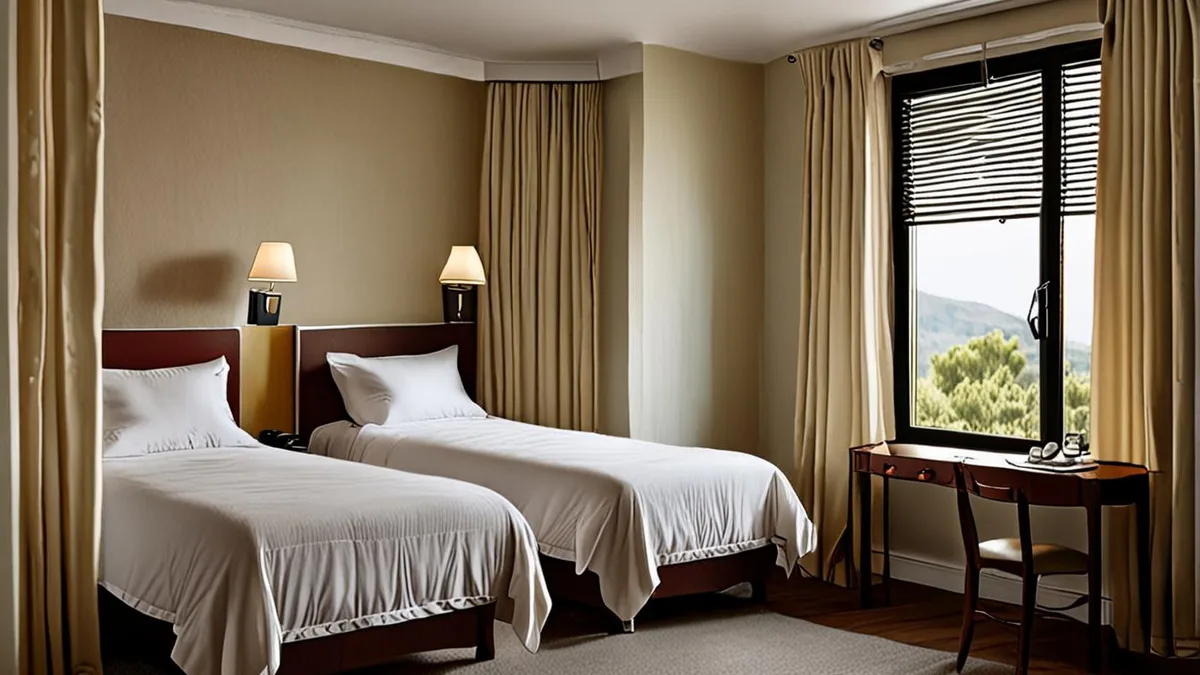
- Standard or classic rooms: one bed configuration, usually a double or two twins, with fairly limited storage and a compact layout.
- Superior or deluxe rooms: slightly larger, or positioned on better floors with more light and a quieter setting. The price step up from standard is usually modest, but it varies widely between properties, so compare the actual rate gap before assuming it’s worth it.
- Junior suites: from around 40 square meters with a separate sitting area, giving you space to work or relax away from the bed itself.
- Family and connecting rooms: two rooms joined by an internal door, so adults and children each get their own beds and breathing room. Expect to pay more than for two separate standard rooms — check the exact difference at the property you’re considering.
Keep in mind that naming varies between hotel chains. A “superior” room at one property may be equivalent to a “deluxe” at another, and some chains invent entirely their own category names. Always check the listed square meters and bed configuration rather than trusting the label alone, and read the room description carefully to see what the category actually includes.
Matching Room Type to Trip Style
The best room type depends less on the hotel and more on what kind of trip you’re taking. A room that’s perfect for a two-night city break can feel like a mistake on a week-long family vacation, and vice versa. Match the category to your itinerary and you’ll spend less and enjoy the trip more.
City breaks and work trips
On a short city trip, you’re only sleeping and showering in the room, so a standard room is usually all you need. Keeping the room simple frees up budget for the restaurants, museums and experiences that are the whole point of the trip. Work trips are different: prioritize a room with a proper desk, and if your stay exceeds 5 nights, a junior suite with a separate sitting area lets you work without sitting on the bed and keeps the trip from feeling claustrophobic.
Resorts and family trips
At a resort, you’ll spend daytime hours at the property — on the balcony, by the pool, relaxing in the room between activities. That’s when a view or club-level room earns its price: expect view upgrades to add 15 to 30 percent to the nightly rate, and check what club-level categories actually include before paying for them. If you’re planning an all-inclusive stay, it helps to read up on what an all-inclusive resort stay actually involves so you know which room perks matter. For family trips, connecting rooms beat squeezing everyone into one large room, especially for stays of 4 nights or more — parents get their own space, kids get theirs, and everyone sleeps better.
Beds, Views and Floors: Details That Change Your Stay
The room category you pick sets the stage, but the small details inside it decide whether you actually sleep well. Bed size is the biggest one, and it varies far more than most travelers expect. If you are used to a wide bed at home, a narrower option abroad can leave you sharing edges for a week.
Bed sizes differ by region, so check the dimensions before you book rather than trusting the word “double.” A European double is often 140 to 160 cm wide, while a US king is about 193 cm. That difference matters a lot if you travel as a couple or with a child who shares the bed.
Location within the hotel matters too. Street noise, elevator dings and ice machine hum are the three most common complaints in city hotels, and all of them are avoidable with the right request.
View upgrades deserve honest math. A premium view can noticeably inflate your nightly rate, so ask yourself whether you will genuinely be in the room during daylight hours to enjoy it. A view you only see in the dark is an expensive nightlight.
- Ask about room orientation at booking. A “sea view” can legally mean a sliver of water visible between two buildings from one corner of the balcony, so ask which way the room faces and how far the water actually is.
- Request a high floor away from amenities. Floors 4 and above usually mean less street noise in city hotels, and rooms directly next to elevators or ice machines take the brunt of late-night foot traffic.
- Check what sits below or beside your room. A room above the pool bar, the kitchen exhaust or the rooftop terrace trades a view for noise that can run well past midnight.
- Confirm the bed type in writing. Add a note to your reservation requesting the specific bed you want, since a verbal request at check-in rarely guarantees anything on a busy night.
How to Book Your Preferred Room Type Without Overpaying
Booking the right room type is mostly about timing and reading carefully. The good news is that neither requires insider knowledge, just a few deliberate steps before you click confirm. Travelers who treat the room category as a decision in its own right, rather than an afterthought once the hotel is chosen, tend to end up with more space, quieter floors and fewer surprise charges. Follow this sequence and you will rarely overpay for a category, whether you are booking a weekend city break or a two-week resort stay. It works the same way on hotel websites and on booking platforms, though the wording of categories can vary from one property to the next, so always read the details for the specific hotel you are considering.
- Book early for peak-season stays. Specific room types sell out fastest in high season, and the best availability of specific categories is typically 2 to 3 months before your trip. If you wait until the last minute, you will often find only the least desirable categories left: the small rooms facing the parking lot or the ones next to the elevator. If you want more tactics on this, our guide on how to book hotels in peak season without overpaying covers the timing in detail.
- Compare the price gap between categories. Look at the actual difference in nightly rate, not just the photos. If a deluxe room is under 15 percent more than a standard, it is usually the better value, since you get more space or a better floor for a small bump. Write the two rates side by side and calculate the percentage yourself, because listing pages rarely make the comparison obvious.
- Use loyalty or direct-booking channels for upgrades. Instead of paying for a higher category in advance, book the lower one and request a free category upgrade at check-in. Loyalty status and direct bookings give you a much better shot than third-party reservations. It also helps to ask politely and be flexible: if the hotel is not full, the front desk has far more room to maneuver.
- Read the room description line by line. Club-level or executive categories can carry resort or facility fees that add 10 to 25 percent over standard rates. Make sure the rate you are comparing actually includes what the category promises, whether that is lounge access, breakfast or late checkout. If a detail is unclear, message the hotel directly and get the answer in writing before you pay.
Run through these four steps every time and the process becomes second nature. Ten minutes of comparison at booking stage typically saves you both money and the disappointment of a category that did not match the photos. It also means you can arrive at the hotel knowing exactly what you paid for, which makes any conversation about upgrades or problems at check-in far easier.
Red Flags to Check Before Confirming a Room Type
Most booking disappointments are visible in the listing before you pay, if you know what to look for. Hotels and booking platforms use careful wording, and the gaps in a description often tell you more than what is written. A few minutes of close reading can spare you a night of bad sleep, an awkward bed situation or a room that feels nothing like the photos.
The most reliable signal is what a listing leaves out. If a hotel omits basic measurements or bed details, that silence is usually deliberate. Photos work the same way: a gallery full of sweeping suite shots while you are booking a standard category is a classic misdirection. Look closely at the timestamps or captions too, since some properties use images from renovated wings while you are booking an older section of the building.
- Missing square meters. When a listing does not state the room size, it often signals rooms under 20 square meters. Small rooms are legal and sometimes fine, but you deserve to know before you arrive with two suitcases.
- Suite-only photography. If every photo shows a separate living area, a soaking tub or a panoramic balcony but you are booking a standard category, assume those features are not in your room and ask directly for photos of your actual category.
- “Partial view” wording. This phrase usually means the view is incidental rather than guaranteed. You might see water if you lean over the balcony rail, or nothing at all if a neighboring building blocks the angle.
- No bed size or configuration mentioned. Without stated dimensions, you are left with a coin-flip at check-in between one large bed and two twins, which matters enormously for couples.
- Vague renovation claims. Phrases like “recently refreshed” without a year or detail can mean anything from new paint to a full remodel. Ask which floors or categories were updated.
When in doubt, email the hotel before booking and get the answers in writing. Ask two or three specific questions rather than a general “is the room nice?”, and save the replies. A property that answers clearly and promptly is usually one that delivers what it promises, while a vague or evasive response tells you just as much.
Wrapping Up Your Room Type Decision
The fix to that opening problem is simpler than it looks: match the room type to your trip, not to the hotel’s star rating. The right choice depends on three things — how long you are staying, who you are traveling with, and how much time you will actually spend in the room. A standard room around 20 to 30 square meters is plenty for a short city break, while a junior suite earns its keep on longer or work-focused trips, and connecting rooms save a family trip.
Timing matters too. Booking the right category 2 to 3 months ahead of a peak-season stay usually gets you the room you want at the best rate, which beats paying for a front-desk upgrade at check-in. If this helped you sort out your next booking, leave a comment or share the article with a fellow traveler.