You’ve pictured it: waking up in a plush bed inside a luxury tent, sliding open the flap and watching the Pacific roll in below. Coastal glamping in California promises exactly that, but choosing where to book is harder than it looks. The state’s coastline stretches over 800 miles, and a stay near Big Sur feels nothing like one outside Santa Barbara or up in Mendocino. Climate, price and even the drive itself change dramatically from region to region.
This guide breaks down the best coastal regions for an ocean-side glamping trip, from the foggy redwood bluffs of the north coast to the mild beaches of the south. You’ll find what each area costs, when to go, how far ahead to book, and what to pack for cool coastal nights. By the end, you should be able to match a region, a season and a budget to the kind of trip you actually want.
Why Coastal Glamping in California Deserves Its Own Trip Plan
The California coast spans more than 800 miles, and that distance matters more than most travelers expect. A glamping tent perched on a Big Sur cliff and a safari-style cabin near Santa Barbara may cost similar amounts on paper, but they deliver completely different experiences. Climate, access and even the sound outside your tent at night all depend on which stretch of coastline you choose.
Start by thinking about what you want the weather to do. Northern coast stays trade warmer temperatures for dramatic fog, towering redwoods and quieter beaches. If your idea of luxury is a wood stove, a misty morning and a forest trail down to an empty cove, the north coast delivers that atmosphere better than anywhere else in the state.
Warmer weather comes with more competition
Central and southern regions offer milder temperatures and more reliable sunshine, which is exactly why they’re harder to book. Demand climbs in peak season, and rates follow. Ocean-view sites near Santa Barbara or along the Central Coast often fill months ahead of summer weekends, and premium prices are the norm rather than the exception.
The practical takeaway: pick your region first, then plan your dates and budget around it. A foggy September night in Mendocino and a sunny July weekend near Santa Barbara can cost the same, so knowing which experience you value most is the real starting point for coastal glamping in California.
Big Sur and the Central Coast: Cliffs, Redwoods and Ocean Decks
Big Sur is the region most people picture when they imagine coastal glamping in California. Roughly 150 miles south of San Francisco along Highway 1, it blends dramatic cliffside terrain with redwood groves that run right down toward the water. Stays here tend to feel remote and cinematic: ocean decks cantilevered over the bluff line, tent cabins tucked among the trees, and the sound of surf below all night.
If you want a closer look at what this region does well, this private escape above Big Sur shows how a well-sited property turns the rugged setting into genuine comfort.
What Big Sur costs
This is the premium end of California coastal glamping. Expect roughly $250 to $500 per night for tent and cabin-style stays near the water, with the highest rates going to sites that pair an ocean view with real privacy. You’re paying for the setting as much as the accommodation, and in Big Sur the setting is hard to beat.
Plan around the road, not just the room
Highway 1 is part of the experience, but it’s also part of the logistics. Narrow stretches demand a relaxed driving pace, and road closures from slides or repairs are a recurring reality in this area. Before you book, check current highway conditions and build extra time into your route. A smaller or mid-size vehicle is generally easier to handle than a large RV on these roads.
Trip timing matters too. Arriving in daylight makes the drive far more pleasant and helps you find properties that are easy to miss from the highway. Treat the journey as part of the trip rather than a means to an end, and Big Sur rewards the effort.
Mendocino and the North Coast: Fog, Forests and Quieter Shores
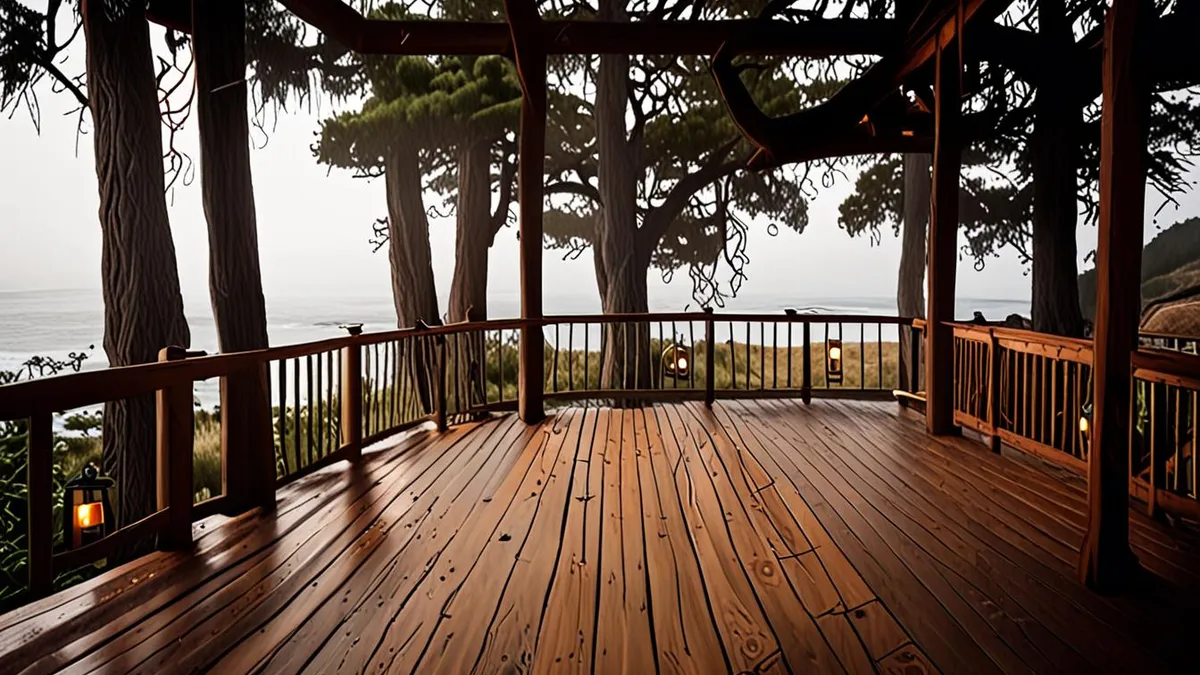
Mendocino sits about 3.5 hours north of San Francisco by car, and the drive itself eases you into the region’s slower rhythm. The village and its surroundings pair ocean bluffs with redwood settings, so a single stay can offer both a headland walk above the surf and a forest trail under old-growth canopy. It’s the kind of coastline where you’re more likely to share a beach with seabirds than with a crowd.
Value is the north coast’s quiet advantage
Rates here often run $150 to $350 per night, generally below Big Sur prices for comparable comfort. That gap means your budget stretches further: a longer stay, a larger tent, or simply a premium ocean-view site that would cost significantly more farther south. For travelers who prioritize atmosphere over sunshine, Mendocino is arguably the best value on the California coast.
Timing your visit around the fog makes a real difference here, a theme that also comes up when planning trips around the best seasons for glamping in US national park regions — coastal weather patterns reward travelers who plan by season rather than by calendar convenience.
Living with (and loving) the fog
Morning fog is common on the north coast year-round, so pack expectations as well as layers. Most days, the marine layer burns off by midday, leaving bright afternoons and golden evening light on the bluffs. September and October bring the clearest coastal skies of the year, making early fall the sweet spot for travelers who want the region’s mood without the mist.
If you’ve never experienced a foggy coastal morning, don’t write it off. Coffee on a bluff deck while the fog rolls through the cove below is one of the reasons people keep coming back to this stretch of coast.
Santa Barbara and Southern California Beaches: Mildest Weather, Highest Demand
Santa Barbara and the surrounding Central Coast towns sit about 1.5 to 2 hours from Los Angeles, which makes them the easiest coastal glamping escape for Southern California residents. You can leave the city after work on a Friday and still catch sunset from your tent deck. That short drive also makes split trips easy: arrive late, wake up to ocean air, and still be home in time for Sunday dinner.
The biggest draw here is the climate. This stretch of coastline enjoys the mildest coastal weather in the state, so glamping stays are viable nearly year-round. While the north coast wraps visitors in fog for much of the year, Santa Barbara often delivers warm afternoons and gentle evenings even in winter months. You can pack lighter here than you would for a trip up north, though a light jacket still earns its keep after dark.
That pleasant weather comes at a price: demand. Summer weekends in particular push rates toward the top of the statewide range, and the most sought-after ocean-view sites can sell out well before the season starts. If your dates are flexible, a midweek stay in the shoulder months often delivers the same mild conditions for noticeably less.
What to expect from the area
Beyond the glamping sites themselves, the region offers a rare combination of beach time and wine country, with tasting rooms, beachfront trails and small towns all within a short drive. It suits travelers who want a softer, more polished coastal trip rather than rugged wilderness. Check current availability and rates directly with operators, since pricing here shifts quickly with the calendar.
When to Book Coastal Glamping in California
Timing your booking matters almost as much as picking the right region. Coastal glamping sites in California are limited in number, and the best ocean-adjacent spots go first. Unlike traditional hotels, a single property might have only a handful of tents or cabins facing the water, so one busy weekend can wipe out an entire month of availability. A simple booking rhythm will save you both money and frustration, and it works whether you are planning a Big Sur splurge or a quieter North Coast escape months from now.
- Identify your season before anything else. Peak coastal season runs roughly May through October, and summer weekends are the hardest dates to land. Knowing whether you are targeting peak or shoulder season shapes every other decision, from budget to packing list.
- Reserve 2 to 6 months ahead for summer weekends. Popular sites near the water fill early, and waiting usually means settling for leftover dates or pricier remaining units. Booking early also gives you the widest choice of tent versus cabin styles.
- Aim for the shoulder months when you can. April, May, September and October offer the best mix of weather and price, with milder fog patterns and rates below the summer peak. These months reward flexible travelers the most.
- Relax your timeline in winter. Outside the busy season, booking 3 to 4 weeks ahead is often enough, and many sites drop their rates. Just confirm what is open year-round, since some operators reduce their offerings in the quiet months.
One last habit worth building: once you book, check the operator’s policies on changes and weather before you finalize payment. Coastal conditions can shift quickly, and fog, wind or road work can alter even a well-planned trip. Some operators offer flexible rebooking, while others are stricter about cancellations, so read the fine print while your dates are still easy to adjust. Knowing your options before arrival keeps a small surprise from becoming a big problem, and it lets you focus on the part that actually matters: enjoying your nights by the ocean.
Budgeting and Packing for an Ocean-Edge Stay
Glamping rates along the California coast vary widely, and where you land depends on three things: the region, the season and the type of stay. A safari-style tent perched over the Big Sur coastline in August sits at the top of the spectrum; a simple cabin in Mendocino on a foggy weekday sits comfortably at the bottom. Build your budget around more than the nightly rate, too. Extras like firewood, activity rentals and park or parking fees where they apply can add up faster than most travelers expect.
Weather preparation is the part travelers most often get wrong. The California coast is not the inland sun belt: nights drop cool even in summer, and fog is a near-daily feature on the north coast. Layering is the answer, and our guide to what to pack for a glamping trip in any season covers the full checklist if you want a deeper dive.
- Windproof outerwear: coastal bluffs funnel strong onshore wind, and a light rain shell often blocks it better than a heavy coat.
- Closed-toe shoes: bluff trails and beach walks involve uneven ground, loose rock and occasional poison oak, so sandals alone rarely cut it.
- A warm beanie and socks: even when daytime highs feel mild, evening ocean breezes pull heat away fast, especially in a tent.
- A headlamp or lantern: many glamping sites sit in remote stretches with minimal lighting between your tent and the bathhouse.
Pack with the coast in mind and the price range stops feeling steep. A well-prepared traveler gets the full value out of an ocean-edge stay, fog or no fog.
Choosing Your Coastal Region With Confidence
The right region comes down to matching three things: your scenery preference, your budget and the season you can travel. If dramatic cliffs and redwoods are the dream and your budget stretches toward the upper end of the $150 to $500 range, Big Sur delivers the most striking setting. Mendocino rewards travelers who want quieter shores and gentler rates, while Santa Barbara offers the mildest climate if weather is your top priority.
Timing softens the trade-offs. A shoulder-season trip in April, May, September or October often balances pleasant conditions with lower rates, no matter which stretch of coast you choose. Once you line up region, season and budget against your own priorities, the decision becomes far less overwhelming. If this helped you narrow it down, leave a comment or share the article with a fellow traveler.