You know you want a mountain vacation, but every listing seems to use the words lodge and resort interchangeably, and the two could not be more different once you arrive. One promises a quiet fireside evening with a host who remembers your name; the other promises a pool, three restaurants and a full schedule of activities. Choosing wrong can leave you bored at a resort or overwhelmed at a lodge, so it pays to sort out the lodge vs resort question before you book.
This guide breaks the decision into seven clear parts: the core difference in size, setting and service; what amenities and dining each type includes; the atmosphere you can expect; what you actually pay at each; how far ahead to book; how each type gets you to the outdoors; and finally, how to match the right stay to your trip. By the end, you will know exactly which one fits your travel style.
Lodge vs Resort: The Core Difference
The fastest way to tell a lodge from a resort is to look at the room count. Lodges are intimate properties with roughly 10 to 50 rooms, so you will often know the staff by sight by day two and recognize fellow guests at breakfast. Resorts are large complexes, often with 200 or more rooms, spread across multiple buildings with elevators, corridors and a front desk that handles hundreds of check-ins a week.
Where each one sits
Setting separates them just as clearly. Lodges tend to sit in or near wilderness, sometimes at the end of a forest road with nothing but trees and a trailhead nearby. Resorts cluster in developed village zones, close to ski lifts, rental shops, restaurants and other hotels, which makes them convenient but rarely secluded.
How service works
The service model follows from the size. At a lodge, a small team does everything: the person at the desk may also serve breakfast, give hiking tips and light the evening fire. Resorts run on structured departments and schedules, with dedicated concierge, housekeeping, food and beverage and activities teams. That structure delivers consistency and round-the-clock coverage, while a lodge delivers personal, hands-on attention. Neither is better; they simply suit different travelers.
Amenities and Dining: What Each Stay Type Includes
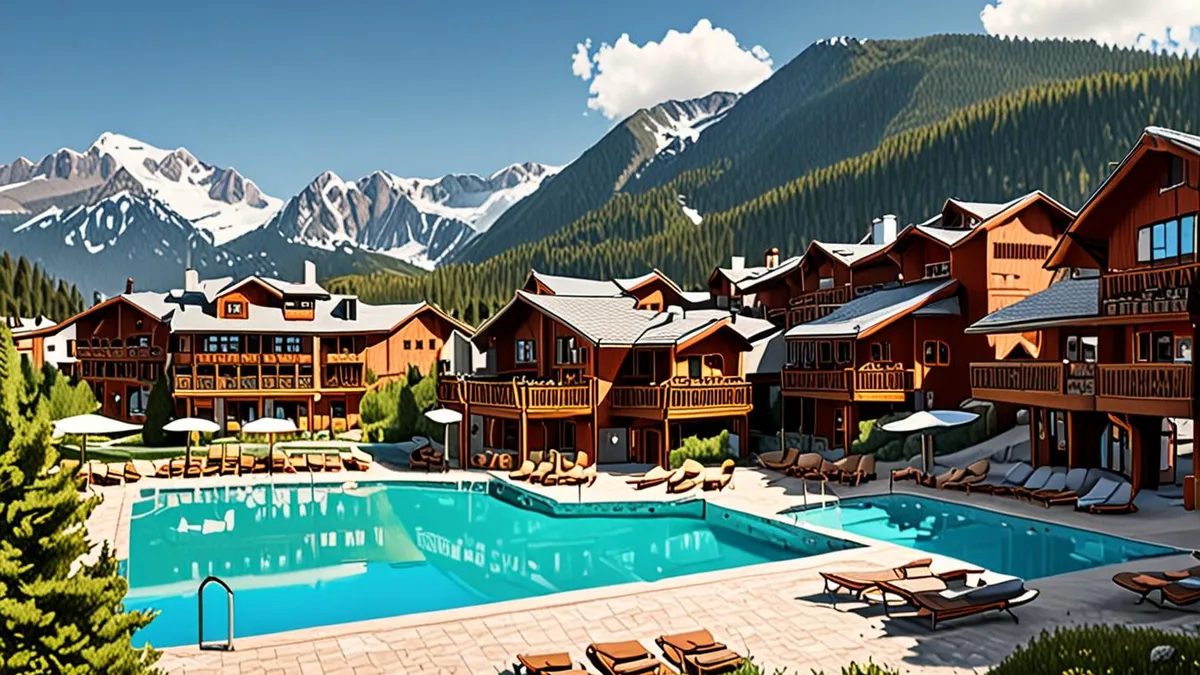
Amenities are where the gap between the two stay types becomes obvious the moment you walk in the door. Resorts typically offer 2 to 4 on-site restaurants, plus pools, spas, fitness centers and kids’ clubs, so you can fill several days without ever leaving the property. That convenience is the main reason many travelers choose a resort in the first place, especially families who want everything handled in one place. Lodges usually have one dining room or none at all, and their common areas do the work that purpose-built facilities do elsewhere.
That trade-off shapes your daily routine. At a lodge, the fireplace lounge, the deck with mountain views and the honesty bar become your evening entertainment, and dinner often means a short drive into town. Some travelers find that limitation refreshing; others find it restrictive after two nights. Practical logistics differ too: resort shuttle services and equipment rentals come standard, while at a lodge you arrange these yourself, calling a local taxi or renting gear in the nearest village. Neither approach is better, but you should know which one matches your style before you book.
- Dining hours: a lodge’s single dining room often serves fixed dinner seatings, so arriving late may mean no kitchen; a resort’s multiple restaurants stagger their hours for flexibility.
- Kids’ coverage: a resort kids’ club lets parents book spa time or a solo hike; at a lodge, children are welcome but there is usually no supervised program.
- Equipment: resorts rent skis, boards and bikes on-site with overnight storage; at a lodge you carry or transport your own gear and handle rentals off-site.
- Getting around: resort shuttles typically run to lifts and village centers on a set schedule; lodge guests drive themselves or book local transport in advance.
Atmosphere: Quiet Retreat or Full-Service Hub
Atmosphere is the hardest thing to judge from photos, yet it decides whether you enjoy your stay. Lodges suit travelers who want fireplace evenings, real conversation with hosts and a slower pace. Days start with coffee on the deck and end with a book by the fire, and the small guest count means the common spaces rarely feel crowded.
The resort rhythm
Resorts suit travelers who want activity options, entertainment and a buzzing base. There is usually something happening at all hours: live music, themed dinners, pool games, a busy bar. If you like arriving somewhere that feels alive and having choices every evening, that energy is exactly the point.
Expect noise and foot traffic
The flip side is sound and movement. Expect more of both at a resort, especially during the December-March ski season and the July-August summer peak, when corridors, pools and dining rooms run at full capacity. Lodges are quieter by nature, though a full house on a holiday weekend can still bring some noise. If you are a light sleeper, ask for a room away from the pool, lobby or dining areas wherever you book, and check whether the property hosts evening events before you commit.
Price Comparison: What You Pay at Each
Money is where the lodge vs resort decision gets very concrete. Resort nightly rates generally run $250-600 in high season, and that is before you add dinner at one of the restaurants, a spa treatment or ski storage. Because so much is on-site, the extras add up quickly and comfortably.
Lodge nightly rates often land at $150-350, so a five-night stay can cost meaningfully less before you even count food. Many lodges keep food service minimal or skip it entirely, which means you tend to buy meals in town. That takes some planning, but it puts you in control of one of the biggest variable costs of a mountain trip.
Where the value lands
Neither option is automatically cheaper once you look at the whole picture. Resorts bundle real value for families: if your kids spend hours at the pool and the kids’ club, and you eat two meals a day on-site, those included facilities offset the higher nightly rate. A family that never leaves the property often gets more per dollar at a resort.
Lodges win on price for couples and solo travelers, who rarely use pools, clubs or multiple restaurants anyway. With fewer on-site services, there are also fewer surprise charges on your final bill. If your plan is hiking all day and a simple dinner in town, the lodge rate is hard to beat. Check current rates directly, since mountain pricing shifts with the season and demand.
Booking Windows for Each Stay Type
Timing your booking matters as much as picking the property. Mountain lodging sells out fast in the busy months, and resorts and lodges follow very different rhythms when it comes to how far ahead you need to plan. A resort with hundreds of rooms and a long amenity list fills on a completely different schedule than a small lodge with a dozen units, so applying the same booking strategy to both will cost you either money or choice. Use this sequence to plan your reservation and avoid the most common timing mistakes travelers make.
- Pick your travel dates first. Peak season runs December-March and July-August, when snow sports and summer hiking fill every bed in town. Shoulder dates give you far more flexibility on both price and availability.
- Book resorts 4-6 months ahead for peak season. With 200 or more rooms and amenities that draw families, resorts fill early and their best-priced rooms go first. Four to six months of lead time is the safe standard for December-March and July-August stays.
- Book lodges closer to your dates. Lodges can often be booked 4-8 weeks ahead, even in shoulder seasons like May-June and September-October. Their smaller size means less inventory, but also fewer travelers competing for it in quieter months.
- Move earlier if you need a specific room type. If you want a fireplace suite, a family unit or a view-facing room, book early at either type. Small lodges may have only a handful of units in each category, so those rooms disappear fast.
One last habit that pays off: once you book, confirm your reservation details a week or two before arrival. Small lodges in particular are sometimes run by small teams, and a quick confirmation call or email helps everything run smoothly when you arrive. It is also worth asking about arrival logistics at that point, such as check-in hours and parking arrangements, since these can differ noticeably between property types. If your dates are flexible and you are still deciding between a lodge and a resort, let availability guide you: the booking windows above often make the decision for you, because the property type that fits your travel style may simply be the one with rooms left when you start looking. Booking early never hurts, but knowing each type’s rhythm keeps the process low-stress.
Location and Access to the Outdoors
The whole point of a mountain trip is the mountains, so where your lodging sits matters. Lodges are often built right against the wild side of the mountain, commonly 5-30 minutes from trailheads, which means you can be hiking, skiing or watching wildlife shortly after breakfast. Resorts, by contrast, occupy developed village zones where dining and shops cluster together.
Neither setting is better on its own; they serve different days. If your ideal trip starts with boots on a trail at sunrise, a lodge location saves you driving time every single morning. If your evenings matter more than your mornings, a resort’s walkable village gives you restaurants, shops and atmosphere right outside the door. Here is what to weigh for access:
- Trailhead distance: a lodge 5-30 minutes from trailheads lets you fit a full hike into a half day, while a longer drive from a village zone can turn a quick outing into a logistics project.
- Winter road conditions: quiet lodge roads may not be plowed as quickly as main village streets, so check whether your vehicle or shuttle arrangement suits snow and ice.
- Parking costs: lodges usually include free on-site parking, while resorts may charge for it, which is an easy line item to overlook in your budget.
- Quieter nature access: resorts sit near the busiest parts of the mountain, so if you want solitude on the trail, expect a longer drive to reach it.
A practical compromise is booking a lodge for the quiet part of your trip and spending an afternoon in the nearest resort village for dining and shopping. You get the fast trail access and the lively base without committing to either for the whole stay.
Picking the Right Mountain Stay for Your Trip
So which one is it? If your ideal mountain vacation means quiet evenings by a fireplace, quick drives to trailheads and a smaller bill at checkout, a lodge is the natural fit. It suits couples, solo travelers and anyone whose trip is built around nature rather than amenities.
If you want pools, kids’ clubs, multiple restaurants and a lively base with everything handled for you, a resort delivers that experience, especially for families. The decision comes down to six things: size, amenities, atmosphere, price, booking lead time and location access. Rank your priorities in those areas and one stay type will point clearly ahead of the other. If this helped you sort out your plans, leave a comment or share the article with a fellow traveler.