Alaska has hundreds of fishing lodges, and no two of them fish the same water, charge the same rates or run the same schedule. That variety is great for anglers, but it makes choosing a fishing lodge in Alaska surprisingly tricky. Pick one that targets the wrong run, sits too far from the fish you want, or bundles services you will never use, and a dream trip turns into an expensive compromise.
This guide breaks the decision into manageable steps. We will start with the fish you want to catch and the seasons they run, then weigh fly-in lodges against roadside options. From there, you will learn what all-inclusive packages actually cover, when to book for peak weeks, how to evaluate guides and guest-to-guide ratios, and which costs hide beyond the sticker price. By the end, you will have a short list of lodges that genuinely match your target species, budget and travel style.
Start With the Fish You Want to Catch
Every good lodge decision starts with a single question: what do you actually want to catch? Alaska’s fisheries run on tight seasonal schedules, and a lodge that is world-class in July can be the wrong choice in September. Match the species first, and the right region and lodge start to reveal themselves.
Salmon are the headline act. King salmon fishing peaks in June and July, while sockeye and silvers run from June through August. If salmon are your priority, focus on lodges with strong river or tidal fisheries during those months rather than choosing based on price or amenities alone.
Trout, grayling and the late-summer shift
If you care more about rainbow trout and grayling, aim for August and September. Water levels drop as summer winds down, fish concentrate in clearer rivers, and the crowds thin out. Many returning anglers consider this the best window of the season for trout-focused days.
Halibut changes the equation entirely. Bottom fishing happens in saltwater, so halibut-focused trips point you toward coastal lodges and ports in Homer, Seward or Kodiak rather than inland river lodges. Booking a river lodge for halibut is the most common mismatch we see.
Finally, choose a region before you compare individual lodges. Bristol Bay, the Kenai Peninsula and Southeast offer very different fisheries, access styles and price points. Once the region is set, narrow your list by the specific water each lodge actually fishes.
Fly-In Lodge or Roadside Lodge: Picking Your Access Level
Access is the single biggest factor in what your Alaska week will feel like, and it drives price more than almost anything else. Fly-in lodges use floatplanes or bush planes to reach untouched water with no crowds, but that remoteness comes with weather-related schedule risk. A grounded plane can cost you a fishing day, so ask any remote lodge how they handle weather delays before you commit.
Roadside lodges on the Kenai Peninsula and the state’s road system cost roughly 30 to 50 percent less than fly-in operations. Arrivals are simpler, you can rent a car, and day trips to town or other fisheries are easy. The trade-off is company: popular road-system fisheries can be busy, especially during salmon runs, so expect shared water at peak times.
There is also a middle path worth considering. Float-in or boat-access lodges reach water with fewer crowds than the road fisheries without requiring daily flights, and many anglers find this balance ideal. To see how the service side compares across these options, read what to expect from an all-inclusive lodge stay in Alaska before you start comparing packages side by side.
- Weather buffers: Fly-in itineraries often build in a cushion day, so ask whether a grounded flight eats a fishing day or the lodge shifts your schedule to make up the time.
- Luggage limits: Floatplanes and bush planes typically enforce strict weight limits per person, so soft duffels beat hard suitcases and extra gear may cost extra.
- Travel days: Remote lodges often require an overnight in Anchorage before the flight in, which adds a hotel night and a full day to your overall trip, so plan accordingly.
Understanding Package Types and What All-Inclusive Really Covers
Package pricing varies wildly between lodges, and the label on the brochure tells you less than the fine print. All-inclusive packages typically run $500 to $1,500 per person per day, and at that range they usually bundle lodging, meals, guiding and boats. That is a genuine value when everything is truly covered, but not every lodge defines “all-inclusive” the same way.
What to confirm before you pay
Ask specifically whether gear, fishing licenses, waders, flies and gratuities are included or billed separately. A lodge that looks affordable on paper can add several hundred dollars per person in rentals, licenses and tips. Get the full list of inclusions in writing before you send a deposit, and compare two or three lodges line by line rather than by headline rate.
If you are an experienced angler with your own rods and waders, a housekeeping or DIY package may suit you better. These options drop the guiding and sometimes the meals, giving you flexibility and a lower price. They work best for self-sufficient anglers who know the water or are willing to learn it on their own.
Stay length matters too. Most lodges offer stays of 3 to 7 nights, and in peak season many require Saturday-to-Saturday weeks. If your calendar cannot accommodate a full week, tell the lodge up front rather than discovering the restriction at booking time.
Booking Timeline: When to Reserve Your Lodge
Alaska’s best lodges fill up fast, and the calendar matters more than almost anything else when you book. Remote operations often host a small number of guests each week, so once a peak week is gone, it is gone for the season. The difference between calling in January for a peak July week and calling in April can be the difference between your first-choice water and whatever is left. Here is a practical timeline to work from.
- Book fly-in lodges 9 to 12 months ahead for June through August weeks. Remote lodges run a limited number of guests per week, so a single sold-out week is gone for good. If you want peak salmon season at a well-known fly-in operation, reserve as soon as the previous season ends.
- Target shoulder-season dates with a shorter lead time. Weeks in May, early June or September can typically be booked 4 to 6 months out, and you will find better availability across the board. This is also when lodges are more willing to discuss shorter stays or flexible arrival days.
- Get the money terms in writing before you pay. Ask about the deposit schedule, how far out the final payment is due, the cancellation window, and what happens on weather days when a floatplane cannot fly. Policies vary widely between lodges, so never assume.
- Join waitlists for sold-out weeks. Cancellations are common at remote lodges because trips are planned far ahead and life happens. A waitlist spot costs nothing and can rescue a peak-season week.
One more habit worth building: put your booking call reminders in your actual calendar a month before the window opens. Lodges that take returning guests first often release remaining spots on a predictable date, and being ready that day gives you a real edge without any extra cost. A short email to the lodge a few weeks before that date, confirming your group size and preferred weeks, also keeps your request near the top of the pile when the phone starts ringing.
Evaluating Guides, Water and Guest-to-Guide Ratios
The lodge building matters far less than who holds the oar. A beautiful main lodge with a mediocre guide staff will produce forgettable days, while a modest operation with sharp, consistent guides can deliver the best fishing of your life. When you compare lodges, spend most of your questions on the people and the water.
Start with staffing levels. A licensed guide for every two to four guests is the standard for a quality day, and anything looser usually means rotating attention, crowded boats, or less experienced hands covering the gap. Then dig into the water itself, the boats, and what past guests actually say.
- Ask exactly how many miles of private or low-pressure water the lodge controls. Some lodges hold leases or landowner agreements on specific stretches; others simply fish the same public runs everyone else does. Get the number in miles, not vague phrases like “exclusive access.”
- Match the fishing method to your style. Jet boat fishing covers big, braided rivers; drift boats suit slow, technical water; wading trips reward anglers who like to work a run on foot; fly-outs open up small streams and remote lakes. A lodge built around one method may not fit how you like to fish.
- Read recent third-party reviews for guide consistency. Look for mentions of the same guides by name across seasons, and pay attention to comments about how the operation handles a slow fishing day, not just the food and the views.
If you can, ask the lodge directly how long their head guide and senior staff have returned. High guide retention is one of the most honest signals you will get, because good guides do not stay where the operation is sloppy or the water is overfished.
Budgeting Beyond the Sticker Price
The nightly rate on a lodge website is a starting point, not the total. Remote Alaska trips carry a stack of add-on costs that can swing your final bill by a meaningful amount, so build a complete budget before you compare lodges. Otherwise you risk picking the “cheaper” option that ends up costing more.
Start with transfers. Floatplane flights to a remote lodge often run several hundred dollars per person round trip, and they are frequently billed separately from the package. Add Alaska fishing licenses, tips for guides and staff, and any gear you cannot borrow from the lodge, such as your own waders or rain jacket. Ask the lodge for a sample itemized bill from a typical guest week; most will provide one if you ask plainly.
Run the real comparison
Here is how the math can flip. A fly-in week that looks far more expensive on paper may be closer to a roadside option than you expect, because roadside lodges on the Kenai Peninsula and the road system carry a noticeably lower base rate for comparable fishing quality. But the remote trip’s headline price usually already includes the floatplane, meals and guiding, while the roadside quote may not. Price both trips all the way to your driveway at home, including flights to Alaska, transfers, licenses and gratuities, before deciding. If you want a framework for thinking this way, the budget approach in how to budget for a lodge stay in Banff translates well to Alaska trips.
Ask about discounts before you book
Two questions cost nothing and can save real money. Ask about multi-year repeat-guest discounts if you plan to return, and ask about group buyouts if you are traveling with friends, since filling an entire week gives you leverage. Lodges would rather guarantee a full boat rotation at a small discount than chase individual bookings in a soft season. It never hurts to ask whether shoulder-season weeks come with any pricing flexibility either.
Wrapping Up Your Lodge Decision
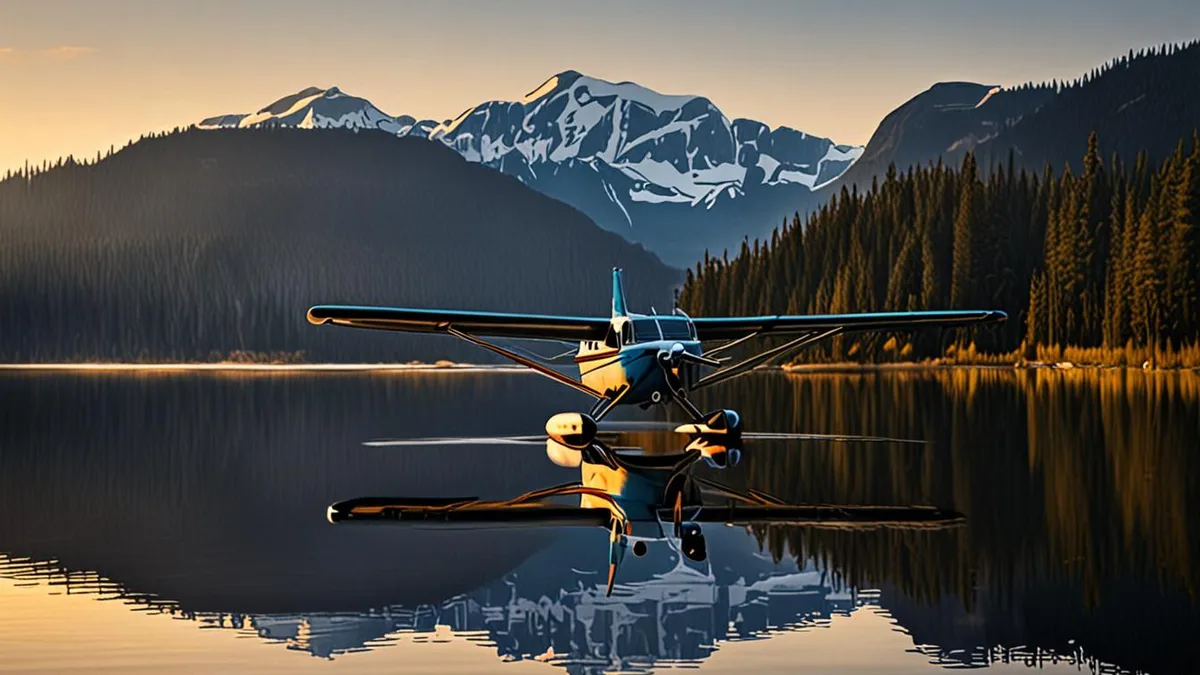
Choosing a fishing lodge in Alaska gets much easier once you work backwards from the fish. Your target species and the season you can travel narrow down the region, and the region narrows the lodge list to a manageable shortlist. From there, the details that separate good value from good marketing are access level, package type and guide ratios, not glossy photos of a floatplane on a glassy lake.
Timing matters just as much as the choice itself. Booking 9 to 12 months out for peak summer weeks locks in the widest selection at the typical $500 to $1,500 per day range, while last-minute planners are left picking over what remote lodges have left. Decide what you want to catch, be honest about your budget and travel style, then reserve early. If this guide helped you plan your trip, leave a comment or share it with a fishing buddy.