Choosing when to book a villa in the Mediterranean can feel surprisingly complicated. Book for July and you get reliable sunshine, but also crowds, peak prices and a race for the best properties. Wait for September or May and you might save money and share the beach with fewer people, but you also take a small gamble on the weather.
This guide breaks the Mediterranean villa calendar into clear seasons: why timing matters, what peak season from late June through August really costs, why the shoulder months of May to mid-June and September to mid-October suit so many travelers, and what low season from late October through April offers. We’ll also cover how far in advance to reserve and how to match the season to your trip style, whether that’s a honeymoon, a multi-family gathering or a sailing week. By the end, the right window for your trip should be obvious.
Why Timing Matters When You Book a Villa in the Mediterranean
The same villa can cost dramatically different amounts depending on when you stay. Rates typically swing 40-60% between peak and low season for very similar properties, sometimes even for the exact same house with the same pool and the same view. That difference can easily pay for your flights, a rental car and a few good dinners.
Weather and atmosphere shift just as much as price. July often brings intense heat, packed beaches and traffic in popular towns, while September usually offers warm seas, quieter roads and a more relaxed pace in the same village. If you’ve only ever visited in August, the same region in late September can feel like a different place.
Choice matters as much as cost
Villa stock in top regions is limited. A coastal stretch in Provence or a sought-after Greek island simply has a finite number of quality properties with pools and sea views. Once the best ones are reserved for your dates, you’re choosing from what’s left, which is why timing affects your options as much as your budget.
The practical takeaway is simple: decide on your priorities first. If atmosphere and warm water top your list, the peak weeks may justify their price. If value and breathing room matter more, shifting your dates by a few weeks changes everything.
Peak Season: Late June Through August
From late June through August, the Mediterranean delivers exactly what most people picture: reliably hot, sunny beach weather day after day. Towns are at their liveliest, beach clubs are in full swing, and every marina, restaurant and boat rental operator is running at full capacity. Nothing is closed, nothing is reduced, and the evenings stretch long and warm.
What peak season costs
That reliability comes at a price. Weekly villa rates in July and August commonly start around €3,000-€8,000 depending on the region, and they climb steeply for large properties or villas right on the water. Add peak-season demand for cars, flights and taverna tables, and a summer week can cost noticeably more than the same trip in June.
You’re also competing for the same properties as everyone else. The most attractive villas in popular regions are often reserved many months ahead, so waiting usually narrows your options rather than lowering the price.
Who peak season suits best
Peak season makes the most sense for families tied to school holidays, who often have no realistic alternative. If long, guaranteed beach days, a buzzing town atmosphere and full services matter more to you than savings, the summer weeks deliver. Just book early, expect crowds in the hotspots, and budget for the season rather than hoping for deals.
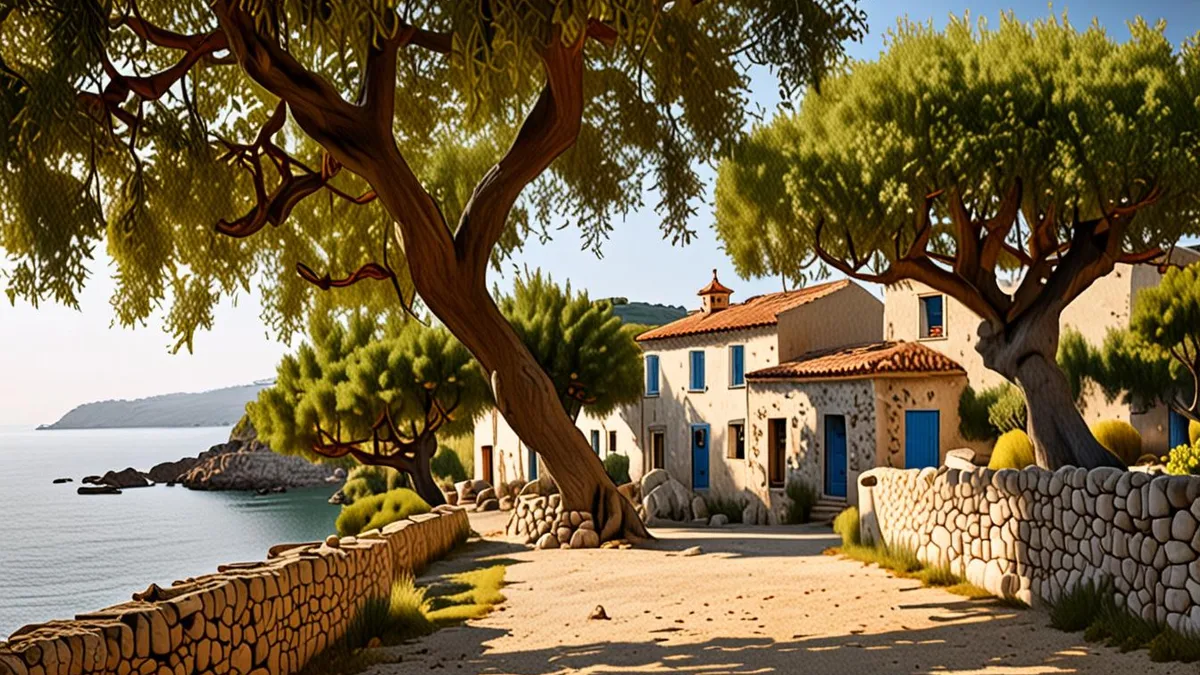
Shoulder Season: May to Mid-June and September to Mid-October
The quieter stretches of the Mediterranean calendar, in late spring and again in early autumn, are when the region shows its best side for many travelers. Sea temperatures of around 20-24°C in May and September are usually comfortable for swimming, the sun is strong without being punishing, and you can actually walk through a town at midday without hunting for shade.
Full services, lower prices
Crucially, everything is still open. Restaurants keep their full schedules, ferries run their regular routes, and boat rentals, beach clubs and local operators are all working. Yet villa rates drop well below peak levels for the same properties, which means your budget stretches to a bigger house, a better view or simply a longer stay.
The practical differences are easy to notice. You’ll park closer to the beach, get a table at that popular seaside restaurant, and share the coastal paths with a fraction of the summer crowds.
Why September often wins
Of all the months, September frequently delivers the best overall balance. The sea has had all summer to warm up, the beaches empty out once school holidays end, and prices ease back from their August peak. If your dates are flexible and swimming matters to you, aim for early to mid-September first, then late May as a close second. These weeks also tend to be the easiest to secure: shoulder-season villas can often be booked just 2-4 months ahead with better availability than the height of summer.
Low Season: November Through April
Winter changes the Mediterranean villa market more than any other season. Along many stretches of coast, especially in Greece, Croatia and the French Riviera, a large share of coastal villas simply close from late October through April. Owners winterize pools, shut down the systems and wait for summer. The villas that do stay open often slash their rates by 30-50%, which turns a place that would be out of reach in August into a realistic option.
Where to go in the low season
If you want mild weather and things to do, head south. Sicily and Andalusia stay pleasant enough for walking old towns, visiting markets and sitting outside for long lunches, even when the rest of the Mediterranean feels gray. These regions suit city-and-culture trips rather than beach weeks, so pick a villa near a town instead of one chosen purely for its sea view.
The low season also works best for longer stays. A week in February can feel quiet to the point of isolation, but three or four weeks in a villa with good Wi-Fi and a proper workspace is a different experience entirely. If that sounds appealing, read my ideal villa for remote work before you choose, because the features that matter for a working month are not the ones that matter for a summer holiday.
How Far in Advance to Book
Timing your booking matters almost as much as timing your trip itself. In high-demand areas like the Amalfi Coast or the Greek islands, the best July and August villas are often gone months before summer arrives, and the properties left over are usually the ones nobody else wanted. As a general rule, reserve peak-season dates 6-9 months ahead if you care about location, view or a private pool. Booking early also gives you time to compare layouts, read recent reviews and negotiate extras like airport transfers or a private chef before calendars fill up.
Shoulder-season dates are far more forgiving. For May to mid-June or September to mid-October, you can usually wait 2-4 months and still find good availability, often at better prices than the earliest listings. You also get more flexibility to shift dates by a week if a good property appears.
One myth worth dropping: waiting for a last-minute deal in peak season rarely works in popular regions. Late bookings in July and August typically mean limited choice, not bargains.
- Amalfi Coast: seafront villas with parking and terraces are the scarcest, so ask agents about them as soon as your dates are fixed rather than after flights are booked.
- Greek islands: ferry schedules and villa availability move together, so securing the villa first gives you flexibility on island-hopping plans later.
- Large groups: villas sleeping ten or more book out earliest in every region, since there are simply fewer of them to go around.
- Shoulder season: set a reminder for four months out, then check again at two months if your dates are flexible by a few days.
Choosing the Right Season for Your Trip Style
The best season depends less on the calendar and more on what kind of trip you are planning. A villa that is perfect for a family reunion in August would be wasted on a couple looking for quiet in the same week.
Honeymooners and couples
For privacy and better rates, aim for May or late September. The weather is still warm, the towns have thinned out, and you are far more likely to have the pool and terrace to yourself. Owners also tend to be more flexible on minimum stays outside peak weeks. For specific ideas, see the villas I’d book for honeymoons.
Groups and active travelers
Multi-family groups have the hardest constraints. You need enough bedrooms, bathrooms and communal space, and those large villas exist in limited numbers, so book peak season as early as anyone. If your dates are tied to school holidays, you have no flexibility on timing, only on how far ahead you commit.
Surf, sailing and hiking trips fit best in the September-October window. Winds are steadier for sailing, autumn swells start to arrive on Atlantic-facing coasts, and hiking trails are cool enough for long days without the August heat. Water is still warm from summer, so a post-hike swim is usually on the table too.
Wrapping Up the Mediterranean Villa Calendar
Deciding when to book a Mediterranean villa comes down to what matters most to you. If you want the liveliest atmosphere and the most reliable beach weather, the summer months deliver, but expect weekly rates from around €3,000-€8,000 and a 6-9 month lead time in popular regions like the Amalfi Coast or the Greek islands. If you would rather trade a little certainty for space and savings, the shoulder months of May-June and September-October bring sea temperatures of 20-24°C, quieter beaches and noticeably better value.
Low season from late October through April cuts prices by 30-50%, though your choice of open villas shrinks, making it best suited to longer culture or remote-work stays rather than a beach-focused holiday. In short: book early for summer, stay flexible for the shoulders, and choose the quiet months only if sunbathing is not the point. If this helped you plan your trip, leave a comment or share the article.