You’ve found a great deal on a beachfront resort, paid in full, and arrived ready to relax. Then the surprises start: your favorite cocktail comes with a surcharge, the sushi restaurant is fully booked for the week, and the snorkeling trip costs extra. This happens to travelers all the time because resort all-inclusive plans rarely cover quite as much as their brochures suggest.
The good news is that the fine print is predictable once you know where to look. This article walks you through what these plans typically include and exclude, how pricing works and when to book, how dining reservations actually operate, which extras to budget for separately, how to match a resort to your travel style, and what to confirm before you pay. Read it before booking, and you’ll know exactly what your rate covers and what it doesn’t.
What Resort All-Inclusive Plans Actually Cover
At most resorts, the core all-inclusive package covers all your buffet meals plus access to the à la carte restaurants, snacks available throughout the day, and unlimited local drinks. Non-motorized water sports are usually included too, so kayaking and snorkeling gear typically come at no additional cost. For many travelers, that covers the bulk of what they actually do on vacation.
What usually costs extra
The exclusions are where budgets get blown. Premium wine lists and top-shelf liquor are almost always billed separately, and so are spa services. Motorized water sports like jet skiing and wave runners sit outside most plans, as do off-property excursions such as catamaran cruises or zip-line tours. Before you book, ask the resort or your travel agent exactly which brands of alcohol are included and which restaurants carry surcharges.
How your room tier changes the experience
Here’s something that surprises many first-timers: guests in entry-level rooms often get the same dining access as everyone else. The food and drink inclusions usually apply across the board, so you don’t need the priciest room to eat well. Upgraded tiers add different perks, though. Higher categories commonly include butler service, access to private pools or lounge areas, and extras like upgraded minibars. Decide whether those perks matter to you before paying for a room upgrade, because the dining access you already have may be identical.
How Pricing Works and When to Book
So what should you expect to pay? In the Caribbean and Mexico, all-inclusive rates typically run $150-$400 per person per night, depending on the resort, the room category and the season. That per-person figure matters, because most all-inclusive resorts price by the guest rather than by the room. A couple should budget double the quoted rate, not the rate itself.
Timing your booking
Season makes a big difference. High season runs from December through April, when travelers escape northern winters and rates climb to their peak. Low season, from May through November, can cut rates 20-40% versus peak winter pricing, and you’ll often get the same rooms and facilities for considerably less. If you’re set on traveling during high season, book 3-6 months ahead to lock in the best rates and your preferred room category. Last-minute deals do exist, and they can be genuine bargains, but they limit your room choice and sometimes your resort choice too. If you have your heart set on a specific oceanfront suite, a last-minute gamble probably isn’t worth it.
Per-person versus per-room pricing
Because pricing is per person, families should read the rate details carefully. Children under 12 often stay at 25-50% of the adult rate, and some resorts offer kids’ free promotions during certain periods. Compare the total for your whole family across a few room configurations, since a family suite priced per room can sometimes beat two standard rooms priced per person. Check the child policy directly with the resort, as age cutoffs and discounts vary.
Dining, Drinks and Reservations Under All-Inclusive Plans
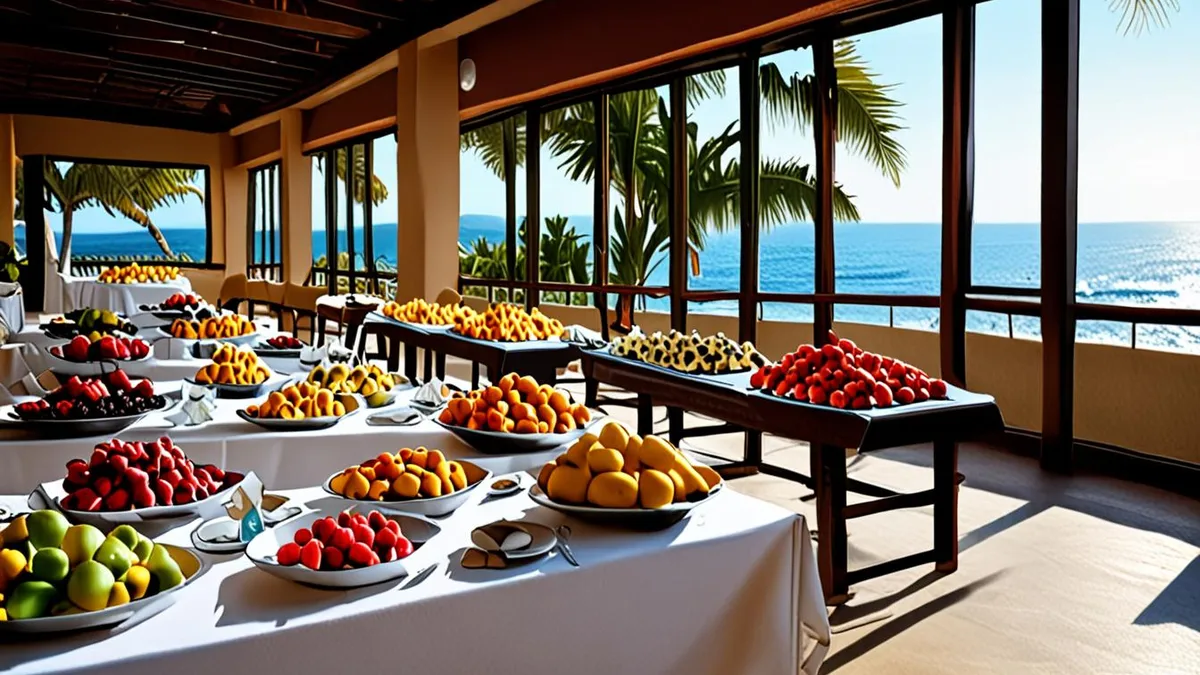
Buffets are always included in your plan, and at many resorts they’re genuinely good, with themed stations and made-to-order cooking. The à la carte restaurants are the ones travelers covet, and that’s where the fine print appears. Most resorts limit specialty restaurant reservations to 1-3 per week-long stay, which means you’ll eat most of your dinners at the buffet or casual venues no matter how many restaurants the property advertises.
The fix is simple: book early. Reserve your specialty restaurant slots on arrival day, when the reservation desk still has availability, or better yet, through the resort’s app before you travel if it offers that option. Popular venues like hibachi grills and chef’s-table restaurants fill up fastest, so prioritize those first.
On the drinks side, house wines and local spirits are included, so your standard rum punch, local beer and glass of house red cost nothing extra. Premium labels and room service at some resorts carry surcharges, and these are the charges that show up on your final bill. A few things to clarify with the resort before you go:
- Which brands count as “premium.” Ask for the included drinks list by name. Some resorts include a surprisingly wide range, while others restrict you to house labels and a short list of local brands.
- Whether room service is free or billed. Policies vary widely, and some resorts that include room service still charge for premium menu items or late-night orders.
- How many à la carte dinners your stay length allows. A five-night stay may only qualify for one or two specialty reservations, so plan which restaurants matter most to you.
- Whether the app or front desk handles reservations. Booking through the app before you travel usually beats lining up at the concierge desk on arrival day.
Tipping, Extras and Hidden Costs to Budget For
Tipping rules vary more at all-inclusive resorts than most travelers expect. Some properties advertise a strict no-tipping policy, meaning staff genuinely cannot accept cash, and slipping a bartender a five can create an awkward moment. Others allow it freely, and a small gratuity goes a long way toward friendlier service at a busy pool bar.
Where tipping is permitted, a reasonable range is $1-$5 per service for bartenders, maids and waiters. If you plan to tip, bring small bills from home, since local currency in low denominations can be hard to get at the resort. A few dollars at the end of each day for your housekeeper, or with each round of drinks, is the usual pattern.
The bigger budget surprise is usually not tipping at all — it’s the services that sit outside the rate. Almost none of the following are included, so price them before you travel:
- Airport transfers: a taxi or pre-booked shuttle from the airport can run a meaningful sum each way, especially at resorts an hour or more from the terminal, so compare pre-booking versus on-arrival taxis.
- Spa treatments: a massage or facial is priced like a stand-alone spa, and some resorts add a service charge on top of the menu price.
- Dive trips: scuba diving is a motorized activity, so even resorts with great house reefs charge per dive or per certification course.
- Off-site tours: zip-lining, catamaran sails and cultural excursions are sold by the resort or local operators and can easily become the largest extra line on your final bill.
Finally, check the fine print on amenities you assume are free. Wi-Fi, kids’ clubs and fitness classes are included at many resorts, but at others they’re bundled into a daily resort credit system you must actively redeem — and unused credits simply expire. Ask before booking whether these are genuinely complimentary or tied to a credit you have to claim each day.
Choosing the Right All-Inclusive Resort for Your Trip
The first filter is who’s traveling with you. Couples usually get a better experience at adults-only properties, where the pool is quiet, the bars skew toward cocktails rather than smoothies, and evenings stay calm. Families have a different checklist: confirm the kids’ club age range actually covers your children, ask about pool depth and whether there’s a shallow entry area, and verify that family rooms or connecting rooms exist — some resorts only have standard rooms that fit two adults and one child comfortably.
Size matters more than most people realize. Large resorts offer a dozen restaurants and constant entertainment, but you’ll wait in lines for dinner and compete for lounge chairs. Smaller properties trade that variety for shorter waits and staff who remember your name by day two. If personal service and a relaxed pace matter to you, it’s worth reading why I’d choose smaller resorts before you commit to a mega-property.
Match the setting to your plans
Beach-focused properties are the classic choice for a reason. Resorts along Guanacaste in Costa Rica or in the Bahamas put you steps from calm swimming water, snorkeling and kayaking, which suits travelers who plan to spend most of the trip in or on the sea.
Mountain and inland resorts work differently. The setting is cooler and greener, activities shift toward hiking and nature rather than water sports, and the all-inclusive plan tends to center on meals and guided outings instead of beach time. Neither option is better — just be honest about how you’ll actually spend your days before you book.
Checking the Fine Print Before You Pay
All-inclusive rates look simple on a booking page, but the terms around arrival, departure and cancellation can quietly change what you actually pay. A nightly rate that seems like a bargain can lose its shine if you’re hit with a late-checkout fee, a steep cancellation penalty or hours of waiting for a room after a red-eye flight. These details rarely appear in the headline price, so it pays to dig into them before you enter a card number. Work through the three checks below, and you’ll avoid the most common checkout surprises.
- Confirm check-in and checkout times. Standard check-in runs 3-4 pm with checkout at 11 am-noon at most resorts. If your flight leaves late in the day, ask whether late checkout is possible and whether it costs extra — some properties charge a fee or offer it only as a loyalty perk. Getting the answer in writing also helps if there’s any confusion at the front desk on departure day.
- Read the cancellation terms line by line. Many all-inclusive rates are nonrefundable, and others charge a penalty of 50% of the stay if you cancel within 30 days of arrival. If your travel dates depend on weather or work, a flexible-rate option may be worth the higher price. Compare both rate types side by side before deciding which risk you’d rather carry.
- Plan for an early arrival. If you land in the morning, don’t assume you can check in early — rooms often aren’t ready until mid-afternoon. Some resorts sell day passes so you can use the pool and restaurants while you wait, or offer luggage storage instead. Ask in advance so you know whether to pack swimwear in your carry-on, and confirm whether the day pass covers the all-inclusive perks or just facilities.
Ten minutes with the rate details and a quick email to the resort covers all three points. Keep the replies in one place so you can pull them up at check-in if a charge or rule gets disputed. It’s far easier to sort out checkout fees, cancellation penalties and arrival-day logistics before you pay than to negotiate them at the front desk with luggage in hand and a taxi waiting outside.
Booking Your All-Inclusive Stay With Confidence
The appeal of an all-inclusive resort is simple: pay once and stop worrying about the bill. The reality is close to that, but not quite. Your rate covers meals, snacks, drinks and activities, while premium wines, top-shelf spirits, spa treatments and off-site excursions usually cost extra. Knowing that split before you book is what separates a relaxing vacation from a checkout surprise.
A little planning goes a long way. Booking 3-6 months ahead for high season locks in the best rates, and comparing room tiers helps you decide whether an upgrade is worth it for your trip. Just as important, read the fine print on dining reservations, tipping rules and cancellation terms before you pay. Ten minutes of checking now can save you real money and frustration later. If this guide helped you plan your next trip, leave a comment or share it with a fellow traveler.