Glamping in US national parks has exploded in popularity, and that creates a real planning headache: the best weather windows are also the busiest booking periods. Many travelers pick their dates first and check conditions later, only to discover that luxury tents and safari-style lodges near their dream park sell out months in advance, or that their chosen month brings snow, closed roads or desert heat too extreme to enjoy.
This guide breaks down the ideal season for each major park region. We’ll explain why timing matters so much, when to target Yellowstone and Grand Teton, why Utah’s parks shine in spring and fall, how winter transforms the desert parks, and why Glacier demands a short but well-timed trip. You’ll also find practical advice on how far ahead to book, what you can expect to pay, and how to match your travel month to the right region for the best mix of comfort and value.
Why Timing Matters for Glamping in US National Parks
Not all national park regions follow the same calendar. Around Yellowstone, the glamping season runs roughly from mid-May to early October, a window of about four months when temperatures allow tents and domes to operate comfortably. In the desert parks, the logic flips entirely: many operators run year-round, but the pleasant months are the cool ones. Timing your trip to the region you’ve chosen is the first and most important planning decision you’ll make.
What the season changes
Weather is only part of the equation. Crowd levels and nightly rates can swing by 20–40% between peak and shoulder seasons at the same property. A safari tent that’s booked solid and priced at its summer high in July may sit half-empty and noticeably cheaper in early May. If your dates are flexible, that difference alone can fund an extra night or an upgrade to a unit with a private bathroom.
Choosing the wrong month carries real risks, too. Arrive too early in the northern Rockies and you may find snowed-out domes or park roads that haven’t opened for the season yet. Arrive in the desert in midsummer and many operators simply pause their bookings because daytime temperatures become unsafe or unbearable. And in peak season everywhere, the best luxury tents are often fully booked long before casual planners start searching.
The good news is that with a little regional knowledge, you can avoid all three traps. The sections below walk through each park region, its reliable season, and the trade-offs you’ll face at every point on the calendar.
Summer: The Classic Season for Yellowstone and Grand Teton
Wyoming’s wild peaks offer some of the most dramatic glamping backdrops in the country, and the reliable season here runs from mid-May to early October. July and August are the warmest months, with long daylight hours that make it easy to pack in a morning hike and an evening by the fire. Outside that window, snow can return at any time, so most operators close their tents and domes entirely.
Summer is peak season in every sense. Expect nightly rates of roughly $150–$500 depending on the property and the level of luxury, and book 6–12 months ahead if you want a specific unit or a stay during the busiest weeks. If you’re curious what a stay near the Tetons actually feels like, this account of waking up beside Wyoming’s wild peaks captures the experience well.
Picking your summer week
There’s a trade-off between warmth and elbow room. July and August bring peak crowds, and park roads and popular trailheads can feel congested by mid-morning. Late June and early September are the sweet spots for many travelers: the weather is still dependable, the trails are noticeably quieter, and you may find slightly more flexibility in availability. Early September in particular combines golden autumn light with summer-like days, making it a favorite for photographers and hikers who’d rather not share a viewpoint with a crowd.
Whatever week you choose, remember that summer stays near Yellowstone and Grand Teton are among the most sought-after in the country. The earlier you lock in your dates, the better your pick of tents, domes and cabins.
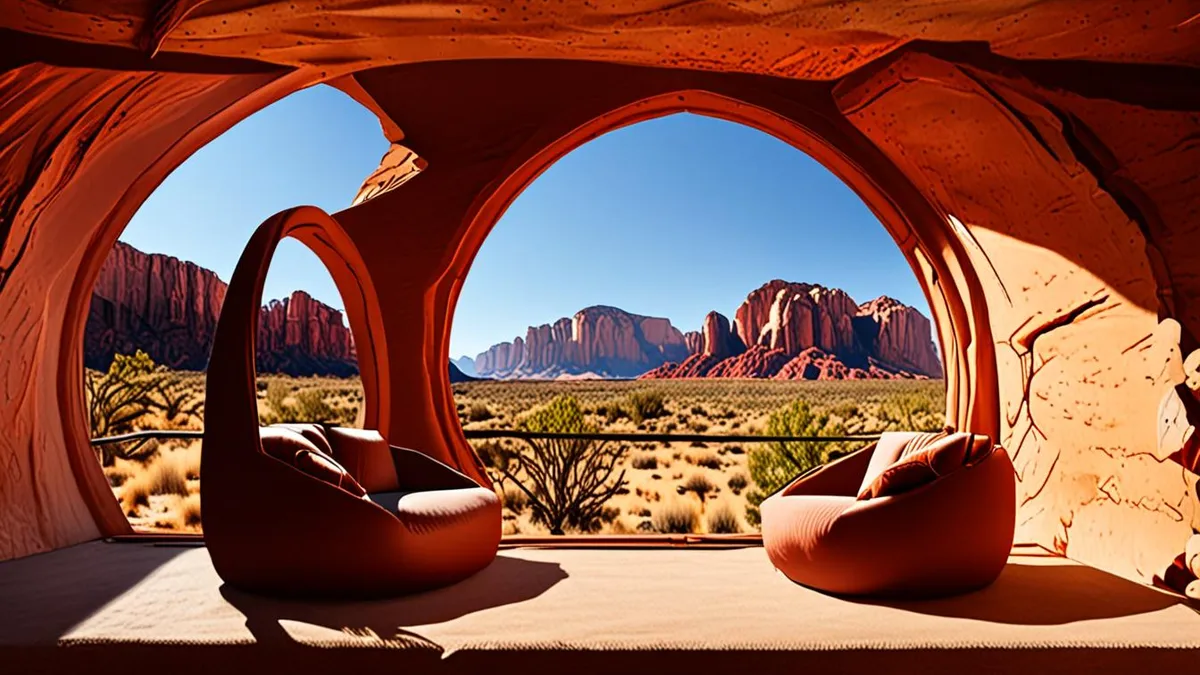
Spring and Fall Shoulder Seasons in Utah’s Park Regions
Utah’s park regions, from Zion and Bryce to the Moab area, reward travelers who avoid the summer rush. The prime windows are April–May and September–October, when daytime temperatures typically sit in a mild 60–80°F range. That’s warm enough for swimming holes and long hikes, but cool enough that you won’t be seeking shade by ten in the morning.
The savings are just as compelling as the weather. Shoulder-season stays near Zion and Utah’s other parks typically cost noticeably less than summer peaks, and availability is far easier to secure. Where a summer weekend near Zion might require booking the better part of a year ahead, spring and fall dates often remain open much closer to your travel time. You’ll also share trails, overlooks and shuttle lines with fewer people, which changes the feel of even the most famous parks.
One caution belongs on every Utah itinerary: flash floods. The late-summer monsoon months of July and August can send dangerous water through slot canyons and dry washes with little warning, even when the sky above you is blue. If your trip falls in that window, build in flexibility and check conditions daily.
A few Utah-specific tips
- Zion’s shuttle system handles most park traffic in busy periods, so check whether it’s running when you visit and plan your mornings around it rather than hoping to drive into the canyon.
- Bryce sits at a much higher elevation than Zion or Moab, so pack layers even in May and October; mornings can be near freezing while afternoons feel like spring.
- In the Moab area, popular trails and viewpoints get busy by mid-morning even in shoulder season, so a sunrise start pays off twice: cooler hiking and emptier paths.
- Slot canyon hikes should only be attempted when forecasts show no rain in the wider drainage area, not just at the trailhead; ask rangers about current conditions before setting out.
Winter Glamping in the Desert Parks
When most of the country is bundling up, the desert parks are having their moment. Joshua Tree and Death Valley offer their best glamping weather from November to March, with sunny days that make hiking and stargazing genuinely pleasant instead of punishing. Operators in these regions run their full schedules in winter, and this is when the most atmospheric stays — geodesic domes, safari tents, A-frame cabins — are open and bookable.
Why winter is the only comfortable option here
These parks are simply too hot the rest of the year. Summer temperatures regularly exceed 100°F, and most glamping operators pause their season entirely rather than host guests in tents that turn into ovens. If desert glamping is on your list, winter isn’t just the best season — it’s essentially the only one.
That said, desert winters come with a catch. Nights can drop below freezing, especially in higher-elevation spots around Joshua Tree. Before booking, check whether the unit has real heat: heated domes, tents with wood stoves, or insulated structures with proper bedding. A clear January night is magical under the stars — as long as you’re warm while you watch them. Pack layers regardless, and confirm heating details with the operator before you commit, since setups vary widely between properties.
Short-Season Destinations: Glacier and the Northern Rockies
Glacier National Park plays by different rules than the desert and Utah parks. The glamping season here is compressed into roughly June through September, peaking in July and August when the weather is warmest and the wildflowers and huckleberries are out. Outside that narrow window, most luxury tent operators simply close up for the winter.
The shoulder months: a trade-off
June and September bring thinner crowds and often lower rates, but they also carry a real chance of cold snaps and rain. Snow is possible at higher elevations in June, and September evenings can turn genuinely chilly. If you book in these months, pack for variable weather and choose a stay with solid heating rather than a bare-bones tent.
One more factor shapes the whole region’s calendar: Going-to-the-Sun Road, the park’s famous scenic crossing, typically doesn’t fully open until late June to early July, depending on snowpack. Before that, huge swaths of the park remain difficult to reach, which affects which glamping sites are practical. If seeing the full park is your priority, aim for July or August and book far ahead; if you value quieter trails and don’t mind some weather risk, the edges of the season can reward you.
How Far Ahead to Book and What to Pay
Glamping near popular national parks follows booking rules more like a safari lodge than a campground. The most sought-after units — domes with panoramic views or tents closest to the park gate — get reserved first, and peak summer stays near top parks often require planning far in advance, sometimes close to a year out. If you’re dreaming of a July trip to Yellowstone or Glacier and you’re only starting to look now, expect limited choices and less flexibility on dates.
Shoulder-season dates are far more forgiving. Stays in April–May and September–October can often be booked just a couple of months out, and the nightly price drops noticeably compared with summer peaks — sometimes by as much as a third. That combination of easier availability and lower prices is exactly why experienced travelers target the shoulders.
What your budget actually covers
- Base summer rates: Budget roughly $150–$500 per night for park-adjacent glamping in summer, with location and unit type driving the spread.
- Heated units: Wood stoves and electric heating usually sit at the upper end of that range — worth it for any desert winter or shoulder-season stay.
- Private bathrooms: En-suite baths command a premium over shared bathhouse setups; confirm which you’re getting before booking.
- Location premiums: Properties with direct park views or walkable access to trailheads price highest, so staying a short drive out can save real money.
Check current rates and cancellation policies directly with operators, since pricing shifts with demand and the season. A quick email or phone call can also reveal unlisted midweek discounts or last-minute openings that never show up on booking platforms.
Matching Your Travel Month to the Right Park Region
The easiest way to plan a comfortable, affordable glamping trip is to match the region to the month. Summer suits Yellowstone, Grand Teton and Glacier, where the season runs roughly mid-May to early October and Glacier peaks in July and August. Spring and fall fit Utah’s parks, with April–May and September–October offering mild days and rates often 20–40% below summer peaks. Winter belongs to the desert, where Joshua Tree and Death Valley shine from November to March.
Booking windows follow the same logic: plan 6–12 months ahead for peak summer stays near popular parks, while shoulder-season dates can often be secured 2–4 months out. In the end, matching region to season is the single biggest factor in both comfort and cost. If this helped you plan your trip, leave a comment or share the article with a fellow traveler.