Glamping sounds like a simple idea: sleep in the outdoors without giving up comfort. But ask five different sites what a night costs and you might get five very different answers. The glamping cost spectrum runs from budget-friendly canvas tents that rival a basic motel to luxury domes that compete with full-service resorts. For travelers, that spread makes it hard to know what a fair price actually looks like.
The truth is that what you pay depends on a handful of predictable factors: the type of stay you choose, where it sits, when you book, and what comes bundled with the rate. This article breaks down typical prices by stay type, explains why the same style of tent can cost wildly different amounts in different settings, and shows how season, amenities, and timing shape your final bill. You will also find practical budgeting guidance and simple ways to cut costs without giving up the comfort you came for.
Typical Glamping Costs by Stay Type
Glamping covers a wide range of accommodations, and the fastest way to understand pricing is to sort stays into three broad tiers. Each tier buys a different level of comfort, space, and service, so knowing which one fits your trip makes budgeting much easier. A couple on a weekend getaway might be perfectly happy in a simple canvas tent, while a family staying a full week will likely want more room, storage, and cooking options. Keep in mind these are general ranges; exact rates vary by region, season, and property, so always check current prices with the operator before you book.
The entry tier is where most first-time glampers start, and it delivers the core experience: a real bed, weatherproof shelter, and often shared facilities. It is a good way to test whether glamping suits you without committing to a big spend. The middle tier is where comfort climbs noticeably, with solid structures, better furnishings, and sometimes private bathrooms. The top tier behaves more like a boutique hotel under canvas, with staff, dining, and design-forward spaces that feel closer to a resort than a campsite.
- Basic canvas tents and yurts generally fall in the $80-$150 per night range. These usually include real beds and basic lighting, with bathrooms and cooking areas shared with other guests, which keeps the price close to a budget motel.
- Mid-range cabins, safari tents, and domes usually cost $150-$300 per night. Expect more space, quality linens, and often a private deck or small kitchenette, putting them in the same bracket as a comfortable hotel room.
- Luxury glamping suites often exceed $400-$800 per night. These typically pair private bathrooms and climate control with housekeeping, on-site dining, and concierge-style service that mirrors a high-end resort stay.
Location and Setting: Why the Same Tent Costs Different Prices
The same safari tent can carry two very different price tags depending on where it stands. Scenic destinations like Big Sur or Wyoming’s mountain ranges command premium rates because demand is high and the number of properties is limited. Land near dramatic coastlines or alpine valleys is scarce, and operators know travelers will pay extra to wake up to that view.
Proximity matters just as much as scenery. Stays within 30-60 minutes of major cities or national parks typically price 20-40% higher than remote rural sites, since they attract weekenders who want a quick escape without a long drive. Head a few hours farther out and the same level of comfort often costs noticeably less.
Views Within a Single Property
Location even affects pricing inside one resort. Waterfront and view-facing units can differ by $100 or more per night compared with identical units facing the trees or a parking area. If you plan to spend your days hiking or exploring, the cheapest orientation on the property can be the smartest value. If the view is the whole point of the trip, it may be worth the premium; a private escape above Big Sur shows how much setting alone can define the experience.
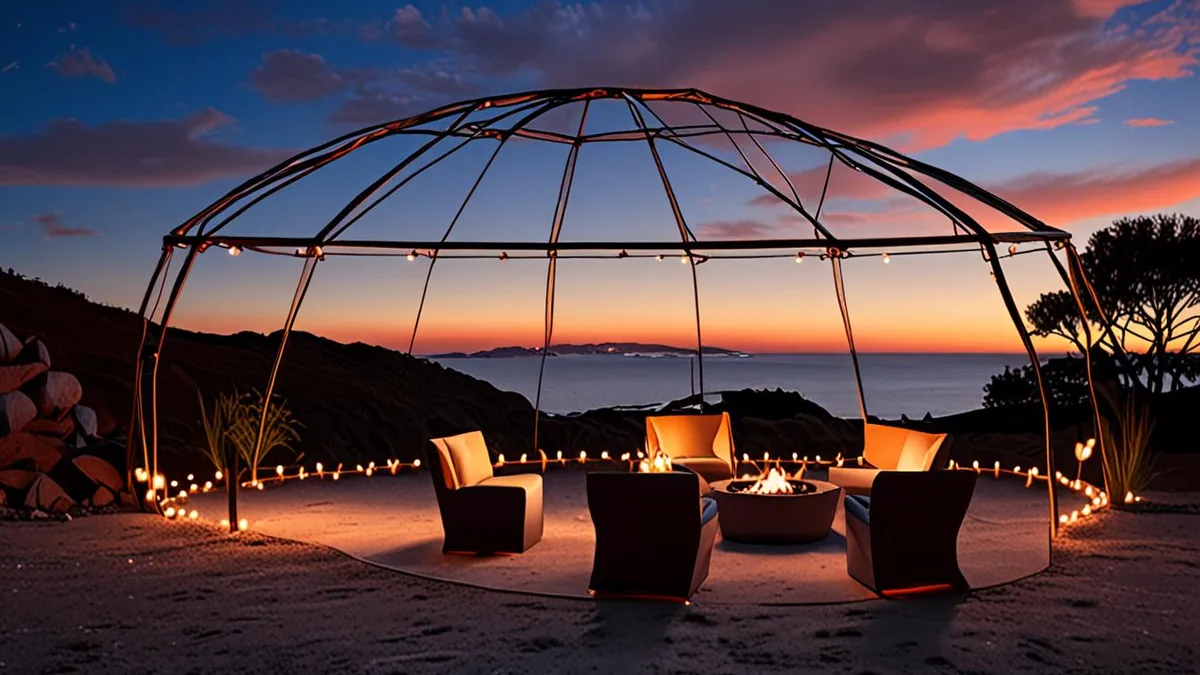
Season and Timing Effects on Glamping Rates
Timing may be the single biggest lever on your glamping bill. In the US, peak season runs from June through August, and rates during those months run 30-50% higher than shoulder season. School holidays, warm weather, and long daylight hours all push demand up, and operators adjust prices accordingly. If your dates are flexible, a late spring or early fall trip can feel just as rewarding, with cooler nights, thinner crowds, and often better availability at the most popular properties.
The gap between weekends and weekdays is just as real. Most glamping properties depend on two-night weekend bookings to fill their calendars, so midweek arrivals are where the deals live. A Tuesday arrival in October often gets you the same tent, the same view, and a much quieter property for a fraction of a July Saturday price. Ask the host directly about weekday rates when you book; some offer deals that never appear on booking sites.
How Early Should You Book?
Booking 2-3 months ahead secures the best availability and pricing for summer weekends. Popular properties near national parks and coastlines can sell out their best units well before the season starts, and last-minute availability tends to be limited to the least desirable dates or units. If you are locked into summer, book early and consider a stay beside Wyoming’s wild peaks, where shoulder season can feel like an entirely different, calmer trip.
Amenities and Service Levels That Move the Price
Two tents that look nearly identical on a booking site can sit on opposite ends of the price range, and the difference usually comes down to what is inside and around them. Amenities are the clearest dividing line between a budget canvas tent and a luxury suite, so it pays to know which features actually move the nightly rate before you compare listings.
The three biggest single price drivers are private bathrooms, heating and cooling, and full kitchens. A unit with its own ensuite bathroom and climate control costs noticeably more per night than a model that shares a bathhouse down the path. If you are glamping in spring or fall, heating and cooling is not a luxury, it is the difference between a good night’s sleep and a miserable one, so many travelers find the premium justified.
Service level matters just as much as hardware. All-inclusive packages that bundle meals and activities typically add $50-$150 per person per day over room-only rates. That can be excellent value at a remote lodge where the nearest restaurant is an hour away, and pure overhead if you are parked near a town with good food options. Smaller touches add up too, which is why two mid-range listings that seem comparable on paper can feel like very different stays once you arrive:
- Private hot tubs are one of the most requested extras, and units that feature one often sit at the top of their price tier, especially on scenic properties where every unit competes for the same view.
- Dedicated fire pits with supplied firewood signal a more curated experience, and listings that include daily fire service or s’mores kits tend to price above sites where you bring your own supplies.
- Housekeeping frequency affects cost more than most travelers expect. Daily refreshes with towel swaps and bed service push rates up, while self-check-in sites with mid-stay cleaning only keep them lower.
How to Budget for a Glamping Trip
Glamping trips go off the rails financially when travelers price the nightly rate and forget everything else. The tent fee is only the headline number; the real cost includes getting there, eating, and keeping everyone entertained once you arrive. A little structure fixes that. Set a target per night, pad it for the extras, and then sanity-check the whole thing against a regular hotel stay before you commit.
- Set a per-night target before you browse. Decide what you can comfortably spend on a mid-range stay, which typically means a real bed, solid weather protection, and usually a private bathroom. Browsing with this number in mind keeps you from falling for a luxury dome that is triple your actual budget, and it makes it easier to filter listings quickly instead of wasting an evening on sites you were never going to book.
- Add 20-30% on top of the nightly rate for the rest of the trip. That buffer covers travel to the site, which can mean a rental car or a long drive with fuel, meals if they are not included in your package, and paid activities like guided hikes, kayak rentals, or on-site spa treatments. Remote sites often add surprise costs too, such as park entrance fees or parking charges, so check those before you book.
- Compare the total against a mid-range hotel in the same area. Once you have the full trip number, look up what a standard hotel room near the same destination would cost for the same nights. This is the only honest way to judge whether glamping is delivering real value or just a nicer photo.
Running this math takes ten minutes and changes how you shop. Some travelers discover that a well-located hotel costs the same as a distant tent with fewer amenities, while others find glamping genuinely competitive once meals and activities are counted. Either way, you will book with clear eyes instead of a screenshot-inspired impulse, and your final bill will look much closer to the number you planned for.
Ways to Lower Your Glamping Cost Without Losing Comfort
Glamping prices are surprisingly flexible if you control the three variables that matter most: when you go, which nights you pick, and what you bundle into the rate. None of these tricks requires sleeping on the ground or giving up the private bathroom, they just require a bit of planning.
The single biggest lever is the calendar. Summer is peak season across the US, and rates climb sharply above shoulder season pricing for the exact same tent. Shifting a trip to May or September captures that difference while often delivering better weather for hiking and fewer crowds at the destination itself.
The second lever is the day of the week. Weekend nights carry a premium everywhere in travel, and glamping is no exception, so midweek stays in the off-season are where the real bargains hide. The third lever is how you book and what you include, and each of these moves works a little differently:
- Booking 2-3 months ahead secures the best availability for summer weekends, which matters because the cheapest units on a property sell first, leaving only premium view-facing options for last-minute bookers.
- Skipping all-inclusive add-ons works when you plan to eat locally, since packages typically add $50-$150 per person per day over room-only rates, a cost you avoid entirely by stocking a cooler or visiting nearby restaurants.
- Comparing units on the same property can also save money, because a tent set slightly back from the water or the view often costs meaningfully less than the front-row unit while sharing the same bathrooms, fire pits, and grounds.
Stack these moves together and the savings compound quickly. A midweek, shoulder-season stay in a standard unit can cost a fraction of what the same property charges for a front-row tent on a summer Saturday.
The Bottom Line on Glamping Prices
So how much does glamping cost? The honest answer is that it spans roughly $80-$800 per night, depending on the type of stay, the location, and the season. A simple canvas tent in a quiet rural spot sits at the low end, while a luxury suite with a private bathroom and full service can rival a resort rate. What you are paying for is a blend of comfort, setting, and convenience.
The two biggest levers on the final price are season timing and amenities. Shifting your trip to shoulder season and booking 2-3 months ahead keeps a comfortable mid-range stay within budget, while skipping pricey add-ons protects your wallet further. If a night under canvas with real bedding sounds appealing, glamping can fit almost any budget with a little planning. Have you tried glamping yet? Share your experience or questions in the comments below.