Picture this: you book a glamping site that looks stunning in the photos, arrive full of excitement, and discover the “luxury tent” has a thin camping cot, a bathroom shared with six other units, and neighbors close enough to hear every conversation. It’s a common first-timer disappointment, and it’s almost always avoidable with a little homework before you pay.
This guide walks you through exactly what to check before booking. We’ll cover the comfort features that separate true luxury from basic camping, how to pick a location that fits your plans, the best timing for reservations, which accommodation type suits your style, how to read reviews and ask the right questions, and how to budget realistically for your first stay. Follow these steps and your first glamping trip should feel like a treat rather than a gamble.
What a Glamping Site Should Include for a True Luxury Stay
The difference between a memorable luxury stay and a disappointing one usually comes down to what’s actually inside the unit. Photos can hide a lot: wide-angle lenses make small tents look spacious, and a single flattering shot of a fire pit tells you nothing about the mattress you’ll spend eight hours on. Before you book, confirm the fundamentals — a proper bed, reliable bathroom access, and climate control that matches the season you’re visiting. A tent that feels magical in a July photo can be miserable in October if there’s no heating worth the name, so think about when you’re traveling and what the weather will demand.
Price is your first clue. Genuine luxury setups typically run $150-$500 per night, and at that level you should expect more than just a roof and a view. Here’s what to look for in the listing or confirm directly with the host:
- A real bed with quality linens — ask for the mattress size and whether linens, duvets and extra blankets are provided, since some sites charge a linen fee or supply only a sleeping bag on a cot.
- Private or en-suite bathroom access — check whether the unit has its own toilet and shower, or whether you’ll share a bathhouse; shared facilities are fine for some travelers, but they should be reflected in the price.
- Heating or cooling suited to the season — tent interiors can swing noticeably from outdoor temperatures, so a wood stove, heater or air conditioning unit matters far more than decorative lanterns.
- On-site extras that justify the rate — fire pits, hot tubs, breakfast service or daily housekeeping are the perks that make the higher end of that price range feel earned.
If a listing is vague on any of these, treat it as a red flag. Hosts with genuinely comfortable units usually describe them in detail, down to the mattress brand and the type of stove. Don’t hesitate to message the host with specific questions before paying — a slow or evasive answer about basics like heating is often the clearest signal of what the stay will actually be like.
Choosing the Right Location for Your Glamping Site
A luxurious tent in the wrong spot can turn a relaxing trip into a logistics headache. Start with your itinerary: pick a glamping site within 30-60 minutes of the attractions, trails or coastlines you actually plan to visit. That drive time sounds generous, but winding rural roads and park entrances can stretch a “20-mile” trip into an hour, so map the route yourself rather than trusting the listing’s estimate.
Once you know the general area, you face a real trade-off. Remote wilderness settings deliver dark skies, silence and wildlife right outside your door, but they mean every meal, snack and forgotten item requires a drive. Sites near small towns give you restaurants, coffee and a grocery store within easy reach, which many first-timers find more forgiving. Think honestly about how you travel: if you plan to cook and stargaze all evening, remote works beautifully; if you want dinner out after a day of hiking, stay closer to town.
Don’t skip the road access check
This is the detail that catches people off guard. Some luxury tents sit down unpaved tracks that are rough on low-clearance cars, especially after rain. Ask the host directly what the final approach is like and whether a standard sedan can manage it. If you’re renting a car, mention the location when you book the vehicle — a few minutes of questioning now saves a tense, bottom-scraping arrival later.
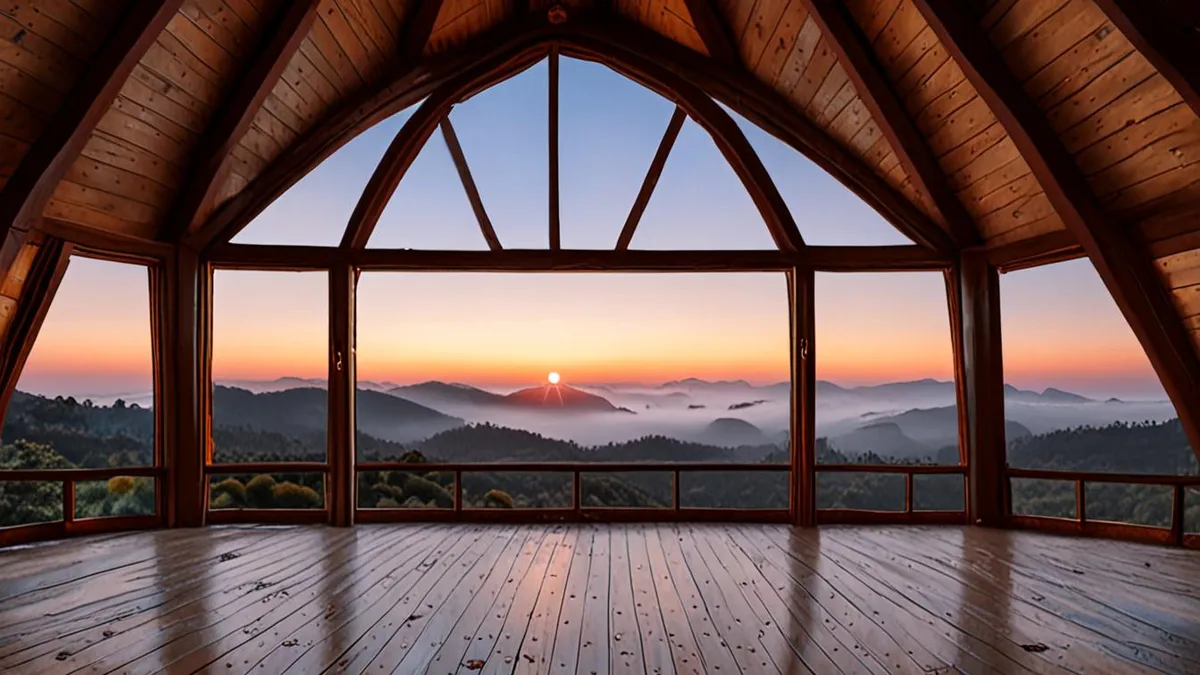
Timing Your Glamping Site Booking Around the Season
Timing shapes both the weather you’ll get and the price you’ll pay. Glamping depends on conditions far more than a hotel stay does, because canvas walls, domes and open decks leave you much closer to the elements than a sealed hotel room ever would. A cold snap or a week of rain can change the whole character of a trip, so choosing your dates carefully matters as much as choosing the site itself. Work through these steps in order:
- Aim for the reliable-weather window. In most US and European destinations, peak glamping season runs May to September, when nights are warm enough for canvas walls and days are long enough to enjoy them.
- Book summer weekends early. At popular sites, reserve 2-6 months ahead for summer weekends; the most sought-after units — usually the domes and cabins with the best views — go first.
- Consider shoulder or off-season dates if you’re flexible. Off-season rates often drop 20-40% below peak prices, and sites are quieter, though you should expect cooler nights and pack warmer layers accordingly.
Shoulder-season trips can be genuinely rewarding if you prepare for them. Early June and late September often combine pleasant daytime temperatures with thinner crowds, but mornings and evenings can feel chilly, so bring fleece layers, warm socks and something extra for sitting outside after dark. It’s also smart to ask the host how the unit handles cold nights before you commit.
One more practical note: many sites require a two-night minimum on weekends, so a spontaneous one-nighter is rarely an option at the best locations. If your schedule allows, midweek dates are often easier to book and can be gentler on your budget, and some hosts release last-minute openings midweek when weekends are full. Check the site’s own calendar for current availability and minimum-stay rules before you commit, since these vary by host and season, and confirm what happens if severe weather forces a cancellation.
Comparing Accommodation Types at Glamping Sites
The type of accommodation you pick shapes your whole glamping experience, so it deserves more thought than just choosing the prettiest photo. Each style has real strengths and real compromises, especially when it comes to weather and space. Here is how the main options compare before you commit to a booking.
Safari tents are the classic glamping image: canvas walls, wooden decks and a proper bed inside. They feel wonderfully close to nature and work beautifully in warm, dry weather. The trade-off is insulation. Canvas heats up quickly in afternoon sun and cools down fast at night, so a safari tent is best suited to warm-season stays rather than shoulder months with chilly evenings.
Geodesic domes have become the showpiece of many luxury sites, and for good reason. The curved windows frame panoramic views of mountains, forests or coastline, and the rigid structure handles wind and rain far better than canvas. If your dates fall outside the driest weeks of the year, a dome is usually the safer choice.
If comfort is your top priority, cabin-style glamping units are hard to beat. They behave like small boutique rooms, with solid walls, real heating and often a kitchenette, and most comfortably sleep 2-4 guests.
- Treehouses deliver the most memorable views and a genuine sense of escape, but interiors are usually compact, with steep stairs or ladders that may not suit guests with limited mobility.
- Restored Airstreams bring retro charm and clever storage, yet floor space is tight, so check the exact square footage and whether the bathroom is inside the unit or a short walk away.
- Yurts and bell tents at some sites are the entry-level option; they can be lovely, but confirm whether the bathroom is private or shared before assuming a luxury standard.
- Platform location matters within a site, too: units on the perimeter often get more privacy, while those near the reception or fire pit are more social but noisier.
Reading Reviews and Asking the Right Questions
Photos and descriptions are written to sell a stay. Reviews, especially recent ones, tell you what the place is actually like at 2 a.m. when the neighboring unit’s group is still talking around the fire. Before you pay, spend time on the newest reviews rather than the overall star rating.
Focus on three things that photos rarely show: privacy, noise and bathrooms. A “luxury” tent can sit surprisingly close to its neighbors, with thin canvas between you and the next party. And bathroom descriptions like “en-suite” sometimes turn out to mean a private shower block a short walk away, which matters a lot on a rainy night. Recent reviews will usually mention all of this honestly.
Then contact the site directly with a few pointed questions. Many glamping sites require a 2-night minimum stay on weekends, and cancellation terms can be stricter than at regular hotels, so confirm both before entering your card details. It is also smart to ask how the unit performs in heavy rain or wind, and exactly what the rate includes.
- Ask about meal options: some sites include breakfast or offer an on-site restaurant, while others have no food service at all, which changes what you need to pack.
- Ask what is included in the rate, such as firewood, kayaks, guided hikes or bike rentals, since these extras can add real value or reveal hidden costs.
- Ask about the nearest road access and parking, so you know how far you will carry your bags from the car to the unit.
- Read reviews from your travel season, since a glowing July review tells you little about how a canvas unit performs on a wet October night.
Budgeting for Your First Glamping Site Stay
Luxury glamping is genuinely luxurious, and it is priced accordingly. For a true high-end setup, expect to pay anywhere from a few hundred dollars up to the top of the luxury range per night. Geodesic domes and cabin-style units usually sit at the higher end, while safari tents and bell tents tend to be more affordable, especially midweek. Check current rates with each site directly, since they vary by season and unit type.
Don’t forget the travel costs
The nightly rate is rarely the whole cost. Remote wilderness sites can sit an hour or more down winding roads, which means real fuel expenses, and some properties charge for a shuttle or transfer from the nearest town. If the site is far from restaurants and shops, you may also need to bring or buy supplies, so add a grocery line to your budget. A little planning here keeps the total cost from creeping up on you.
Ways to pay less
Timing is your biggest lever. Shifting your stay outside the busy May to September window can shave a meaningful share off the nightly price, and the same unit that commands a premium on a summer weekend can be a bargain on a quiet weeknight. Weekday rates also frequently fall below the weekend minimums, so if your schedule is flexible, ask the site directly about their quietest and cheapest nights. A midweek stay in cooler months still delivers the hot tub, the fire pit and the stars, just for less money.
Wrapping Up Your Glamping Site Choice
The gap between the photo and reality usually comes down to skipping three checks: comfort features, location and honest reviews. A real bed, a private bathroom and climate control that actually works indoors are what separate true luxury glamping from a tent with a nice view. Reviews from recent guests will tell you whether a site delivers on privacy and quiet, not just on looks.
Once you know what you want, timing and budget do the rest. Booking 2-6 months ahead for the May-September season gives you the best chance at the top units, and matching the accommodation type to your budget of $150-$500 per night keeps expectations realistic. Get those pieces lined up and your first luxury stay should feel like the photos promised. If this helped you plan your trip, leave a comment or share the article with a fellow traveler.