Choosing when to book a lodge stay in the Swiss Alps is harder than it looks. Winter promises snow-covered slopes and evenings by the fire, summer delivers long hiking days and sunny terraces, and the shoulder seasons tempt with lower prices. The catch is that rates, crowds and even which lodges are open change dramatically from month to month, so the wrong timing can leave you paying peak prices for a quiet, half-closed village.
This guide breaks the year into clear windows so you can pick the one that fits your trip. We cover why timing matters, what winter and summer each offer, when the shoulder seasons make sense, how far ahead to book, and how to match the season to your travel style. By the end, you should know exactly which weeks suit a snow trip, a hiking holiday or a budget-friendly escape.
Why Timing Matters for a Lodge Stay in the Swiss Alps
The month you choose shapes almost every part of an alpine lodge trip, and the biggest surprise for many travelers is how much of the year lodges simply are not open. Many alpine lodges close entirely during the two shoulder seasons, typically late April to mid-June and October to early December, when they carry out maintenance and wait for the next wave of guests. Pick the wrong month and your shortlist of available properties can shrink dramatically, especially in smaller villages where only a handful operate year-round.
Prices shift with the calendar
The same room can cost very different amounts depending on the week. High-season lodge rates often run 30-50% higher than shoulder-season rates, so a family staying in February half-term could pay roughly half again what they would in early December for an identical setup. If your dates are flexible, this swing alone can decide when you travel.
Daylight changes your whole day
Daylight is the third factor travelers often underestimate. December and January offer only 8-9 hours of daylight, which means an early start and a relaxed pace if you want time outdoors. Mid-June brings 15+ hours of light, letting you fit a full hike, a swim and a long terrace dinner into a single day. Think about what you actually want to do each day before you lock in your dates.
Winter: December to April for Snow and Fireside Evenings
Winter is the classic time for a lodge stay, and for good reason. The ski season runs roughly from early December to mid-April, giving you a long window to choose from. But the experience differs a lot depending on which weeks you pick, both in terms of snow quality and how much you pay.
The sweet spot for snow
January to March delivers the most reliable snow cover across most altitudes, which makes these months the safest bet if skiing or snowboarding is the main point of your trip. You also avoid the busiest holiday weeks, so lift lines tend to be shorter and villages feel calmer than they do in late December.
Early December has its own appeal
If you can travel before the holidays, early December offers quieter slopes and lower rates before the holiday rush begins. Some higher lifts and runs may not be fully open yet, and snow cover at lower altitudes can be thin, but for travelers who value peaceful pistes and good value over a complete ski area, it is a genuinely attractive window. Christmas markets and the first snow-dusted village scenery add to the charm.
The trade-offs come at the peak weeks. Around Christmas, New Year and the February half-term, expect premium prices and short winter days, which means planning your time on the slopes or out walking early rather than late. Book well ahead if you must travel in those weeks, since demand is at its highest and the most popular lodges fill up first.
Summer: Late June to Early September for Hiking and Terraces
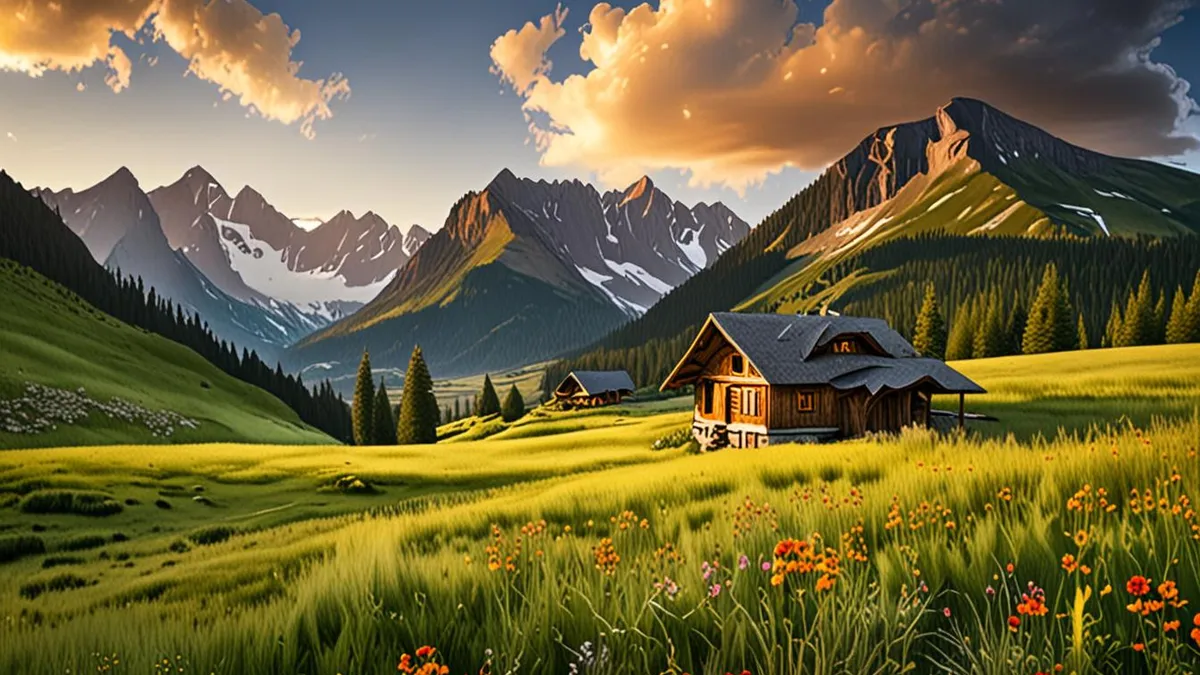
Summer turns the Alps into a completely different destination, and many lodge owners will tell you it is their favorite season. The hiking season runs from late June to early September, and during these weeks the mountains trade ski lifts and groomed pistes for flower meadows, clear lakes and long, warm evenings on the terrace.
Why July is the peak of the season
July brings peak wildflower meadows and the fullest lift and trail network, so you get the widest choice of routes and the most photogenic scenery of the year. Cable cars and mountain huts that close in the shoulder seasons are running at full capacity, which makes multi-day hikes and high-altitude day trips far easier to plan. If seeing the Alps at their most colorful matters to you, aim for July.
Comfortable warmth, not heat
Valley temperatures in summer typically range from 15-25°C, which is ideal for lodge terraces, afternoon lake swims and unhurried dinners outdoors. Summit areas stay noticeably cooler, near 5-10°C, so pack layers even on a warm valley day if your plans take you up high.
The edges of the season are worth considering too. Mid-June and early September bookend the summer with fewer crowds and slightly lower rates, while still offering mostly open trails and lifts. Early September in particular combines pleasant hiking weather with a calmer atmosphere, making it a favorite for travelers who want the summer experience without the peak-season bustle.
Shoulder Seasons: Lower Prices but Limited Openings
The Swiss Alps have two quiet windows that catch many travelers by surprise: the weeks after the winter season ends and the stretch from autumn into early winter. During these shoulder periods, a large share of alpine lodges shut their doors entirely, often for staff holidays, renovations, and maintenance work that is hard to do with guests around. In some villages, you may find that half or more of the accommodation options are simply closed, so confirm directly with any lodge before planning a trip around these months.
The upside is price. Lodges that do stay open through these windows frequently drop their rates well below what you would pay in high season, since demand is low and they would rather fill rooms at a discount than leave them empty. For the same money as a single peak-week night, you can often stretch your stay across several nights and still dine well.
These windows suit a particular kind of traveler. If your ideal alpine day involves a quiet trail, a long lunch in the village, and an early night rather than operating lifts, full spa schedules, and lively après-ski, the shoulder seasons can feel like the Alps at their most authentic.
- Quiet trails: Popular hiking paths around villages and lakes are often nearly empty in June and on mild autumn days, so you can walk for hours without meeting more than a few other hikers.
- Autumn color: October brings golden larches and red-blueberry slopes, a photographer’s favorite that the winter and summer crowds never see.
- Village rhythm: With fewer tourists around, local bakeries, dairies, and small restaurants run on local schedules, giving you a more everyday slice of alpine life.
- Reduced services: Expect limited lift operations, shorter restaurant hours, and thinner breakfast spreads, so check directly with any lodge about exactly what is open before you book.
How Far Ahead to Book Your Lodge
Alpine lodges are small by nature — many family-run places have only a dozen or so rooms — and the best ones fill up quickly for the weeks everyone wants. Unlike large resort hotels, they rarely hold space for latecomers, and a single family reunion or ski club can claim half the house for a week. Getting your timing right matters as much as choosing the right valley, so it helps to work backward from your travel dates. The steps below give you a realistic planning timeline.
- Lock in peak weeks 3-6 months ahead. Christmas, New Year, February half-term, and the July-August summer holidays are the busiest stretches of the year. Reserving in this window gives you the widest choice of rooms and usually better rates than last-minute bookings.
- Book early-December and shoulder-season stays 4-8 weeks out. These quieter periods rarely sell out across the board, so a shorter lead time still leaves you flexible. You can often wait for a favorable weather forecast before committing.
- Contact small family-run lodges first. Properties with only a handful of rooms sell out first, even in months when larger hotels still have space. A short email or call to confirm availability early is worth the effort.
- Check cancellation terms before paying a deposit. Policies vary widely between lodges, and a flexible rate can be worth a small premium if your dates might shift.
A quick note on how firm this timeline is: the busiest weeks reward early action, while quieter windows forgive procrastination. If your dates are fixed around school holidays, treat the steps above as non-negotiable. If you can travel midweek or shift your stay by a few days, you have far more room to maneuver — midweek arrivals often open up rooms that weekend-to-weekend bookings miss, and small lodges will sometimes suggest an alternative week themselves if you simply ask.
One last practical note: popular lodges sometimes open their next-season calendars late, so if your first choice shows no availability yet, ask when they will release dates and set a reminder. A polite follow-up email can also put you first in line for a cancellation, which happens more often than you might expect once plans start changing. Persistence often pays off in the Alps, and the lodges that reward it are usually the ones most worth the extra effort.
Matching the Season to Your Trip Style
There is no single best month to book an alpine lodge; there is only the best month for the trip you have in mind. A week built around skiing needs different dates than one built around hiking, and a budget traveler’s sweet spot looks nothing like a honeymoon couple’s. The quick guide below matches common trip styles to the seasons that serve them best.
As a rule of thumb, snow reliability and daylight are the two factors that shape everything else. Winter delivers deep snow but short days, while summer stretches the evening long enough for a second hike after dinner. Shoulder seasons trade both for lower prices and quieter villages, which suits some travelers perfectly and frustrates others. Think honestly about what you want from your mornings and evenings before you fix on dates.
- Ski-first travelers: Aim for January to March, when snow cover is dependable across most altitudes and the slopes are past the holiday rush, giving you more runs per day and calmer lift lines.
- Hikers and photographers: July and early August offer the fullest trail and lift network plus peak wildflower meadows, and the long daylight hours mean you can shoot golden hour after dinner and still be back before dark.
- Budget and relaxation seekers: Early December or September balances noticeably lower rates with lodges that are fully open, so you can enjoy saunas, terraces, and good food without peak-season prices.
- Families with school-age children: February half-term and the summer holidays are the practical windows, so book those weeks as early as possible and look for lodges with family rooms rather than trying to shift dates.
Wrapping Up Your Swiss Alps Lodge Timing
Choosing the right month comes down to what you want from the mountains. Winter suits snow lovers, summer suits hikers, and shoulder seasons reward flexible travelers who value quiet trails and village life over lifts and full services. Since prices and crowds shift noticeably between these windows, knowing your priorities first makes the decision much easier.
Once you know your season, act on it: booking 3-6 months ahead secures the best lodges in peak weeks, while quieter windows give you more flexibility. In the end, matching your travel style to the season is the key to a satisfying alpine lodge stay. If this helped you plan your trip, leave a comment or share the article with a fellow traveler.